High-level delegation visited KTH and Cybercampus
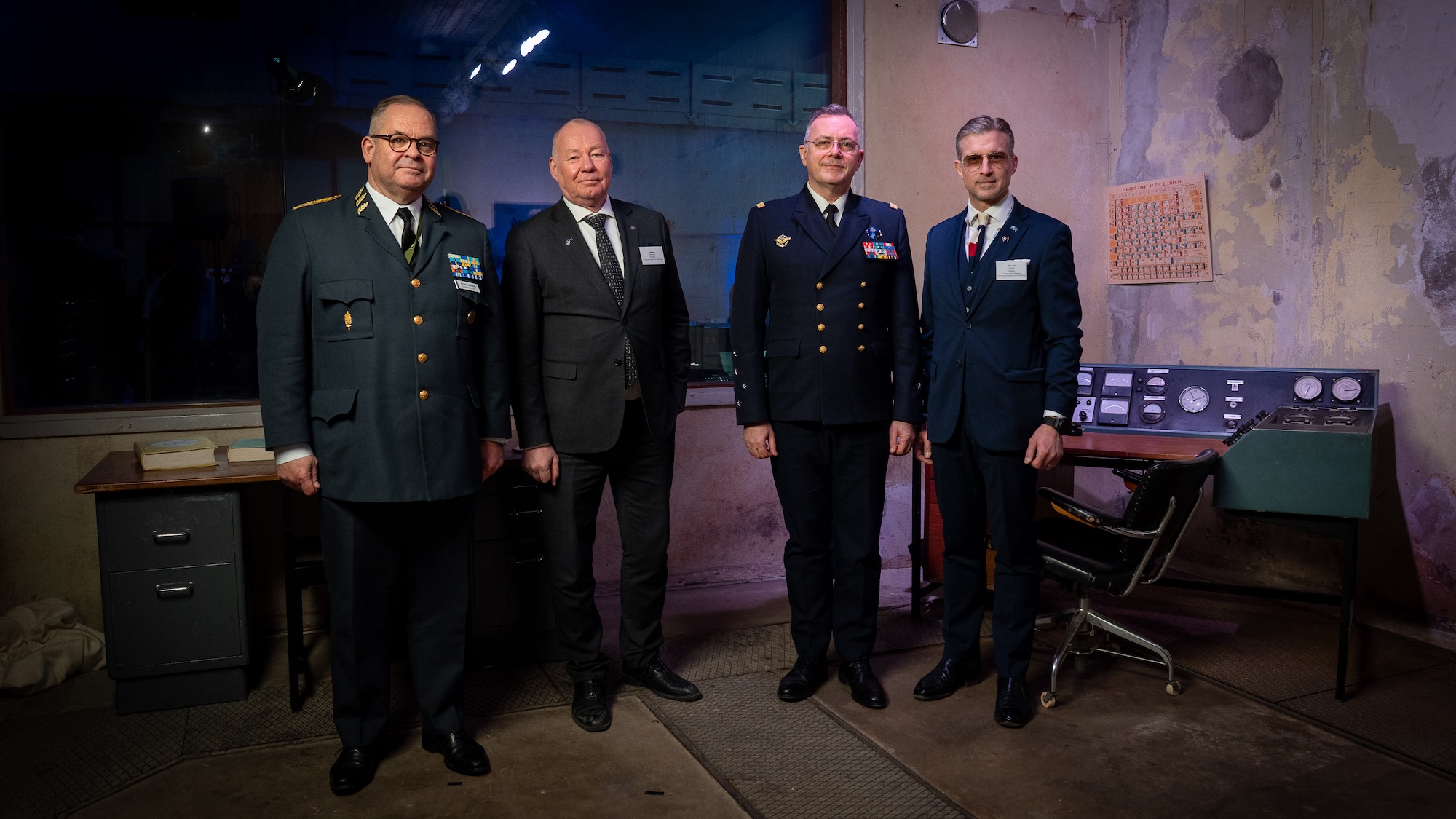
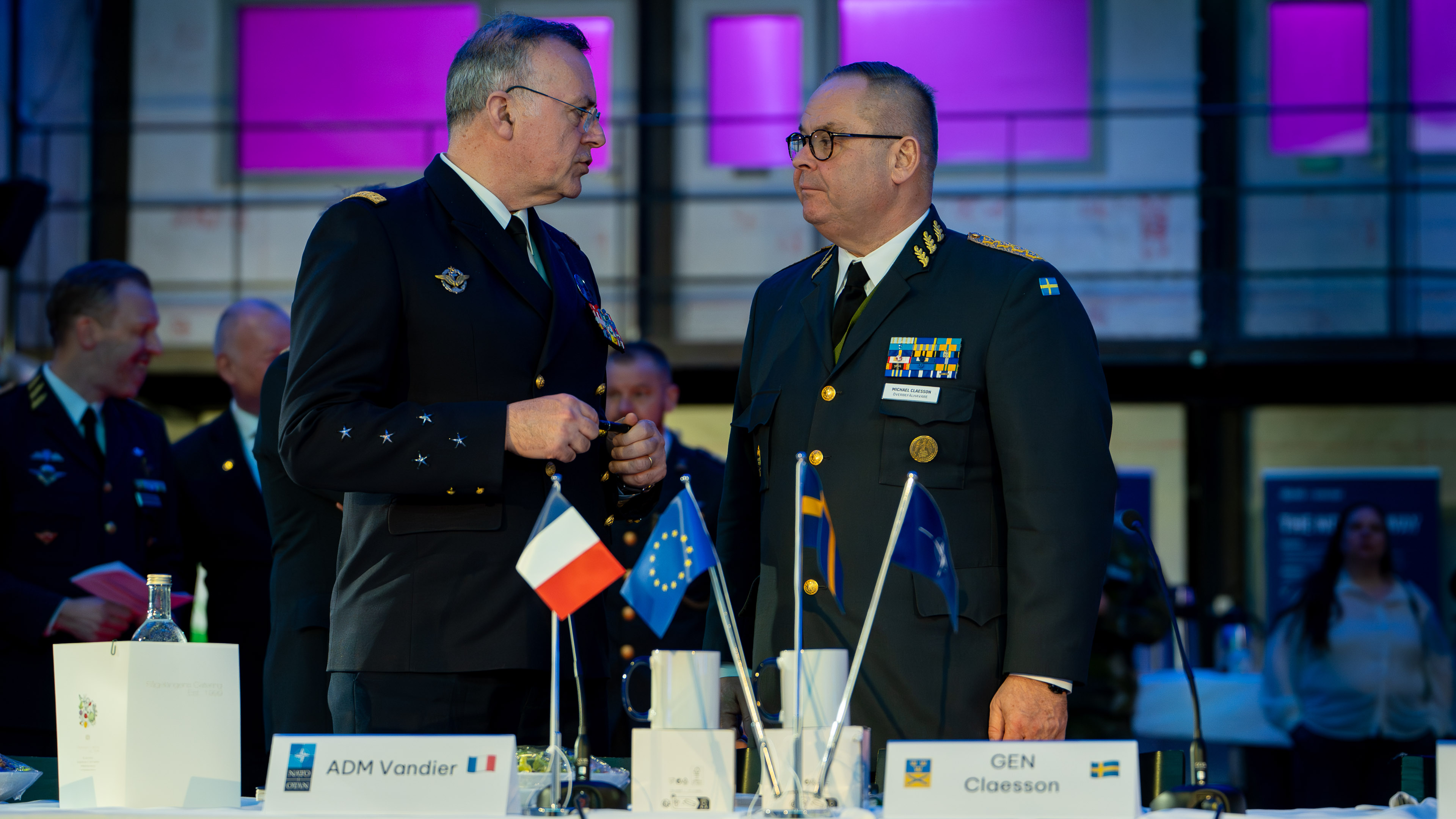
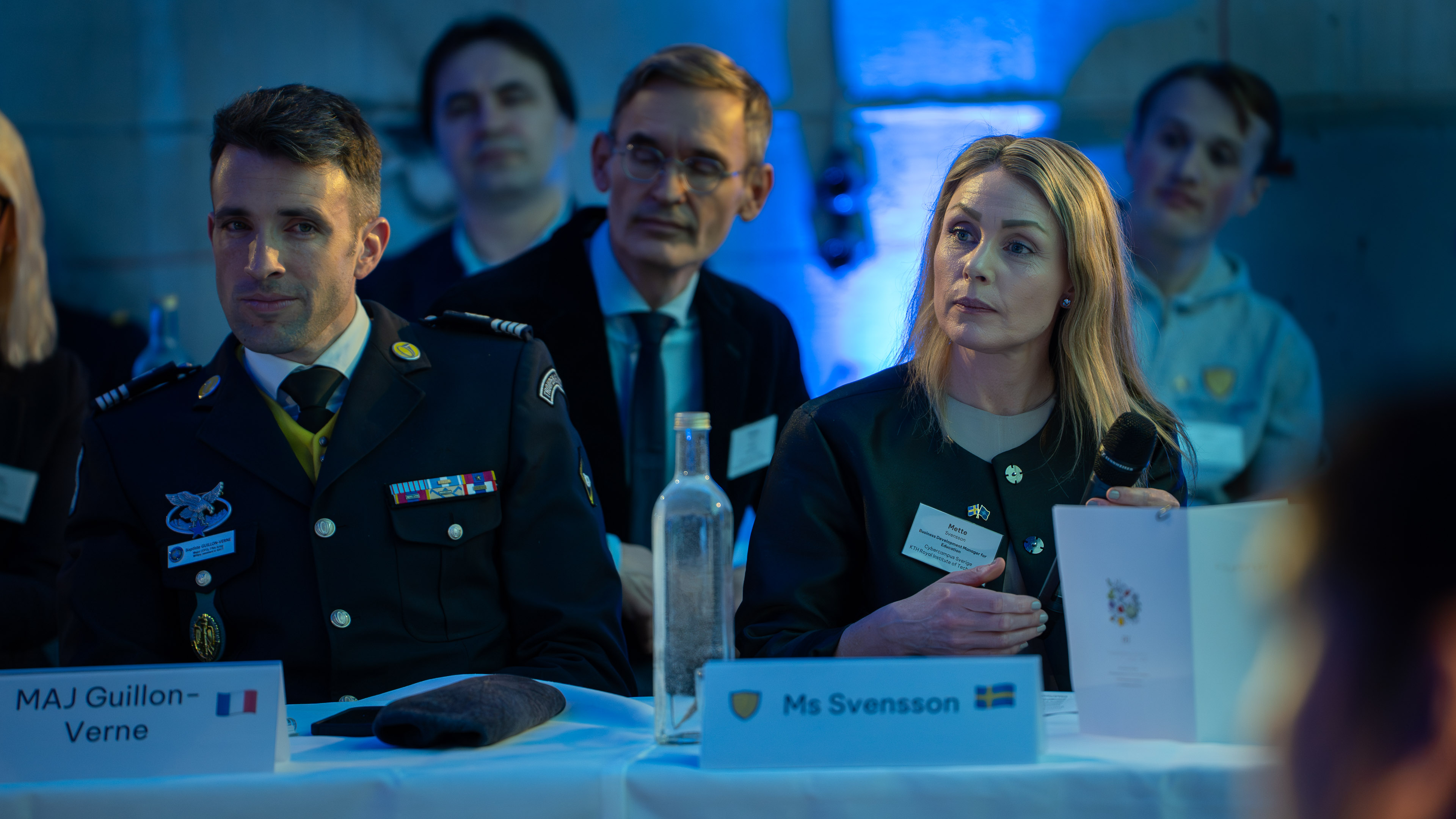
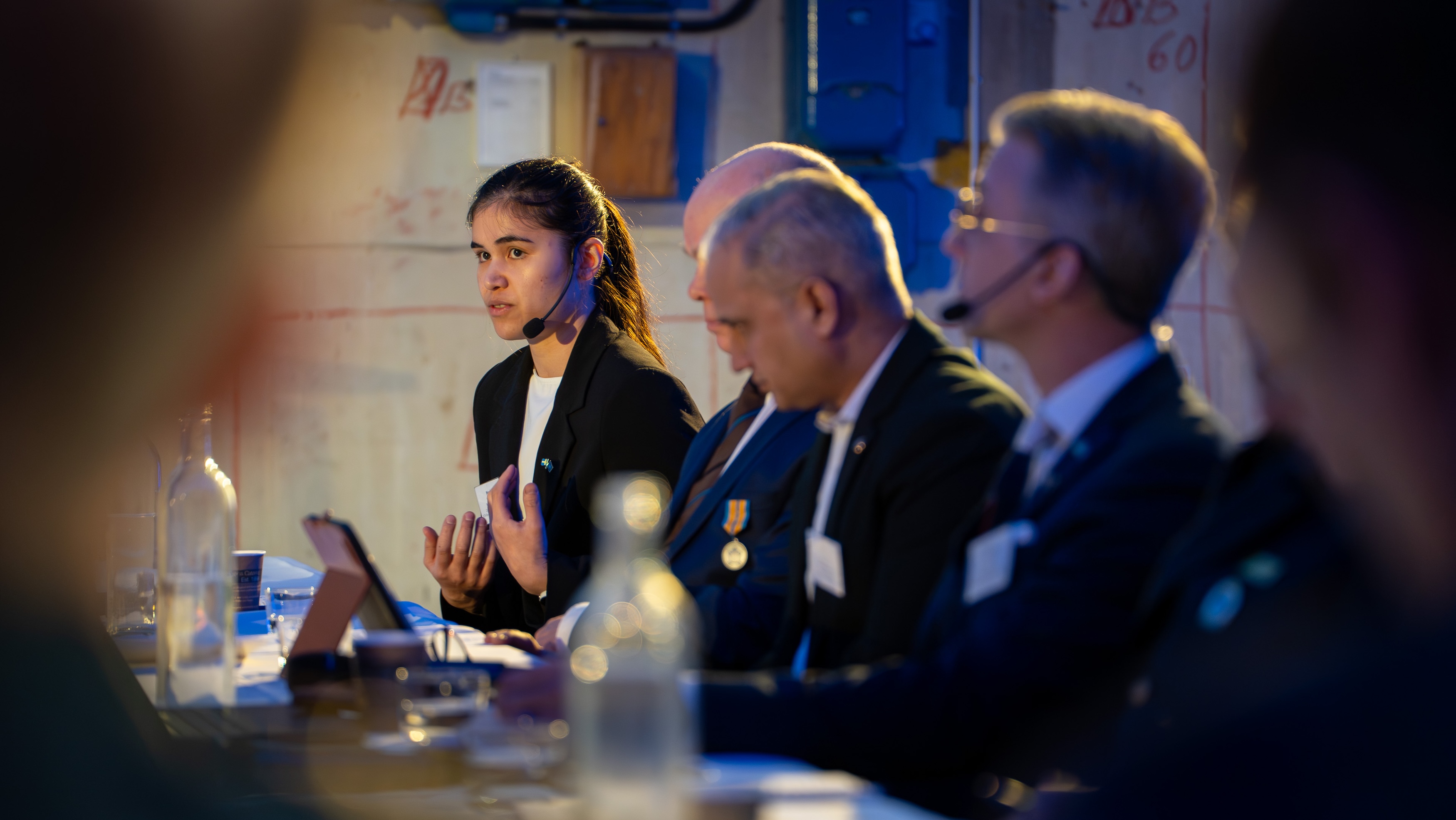
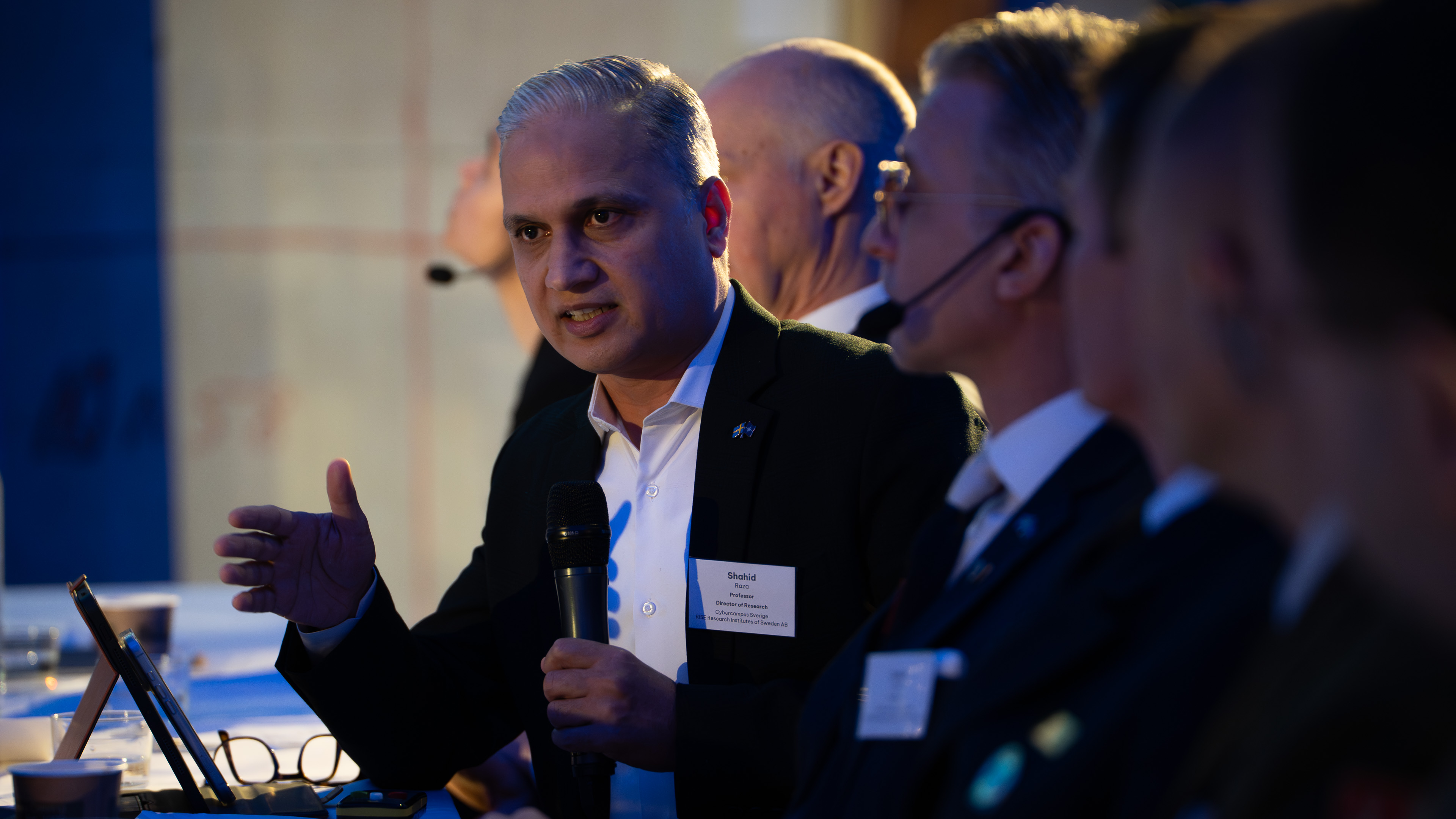
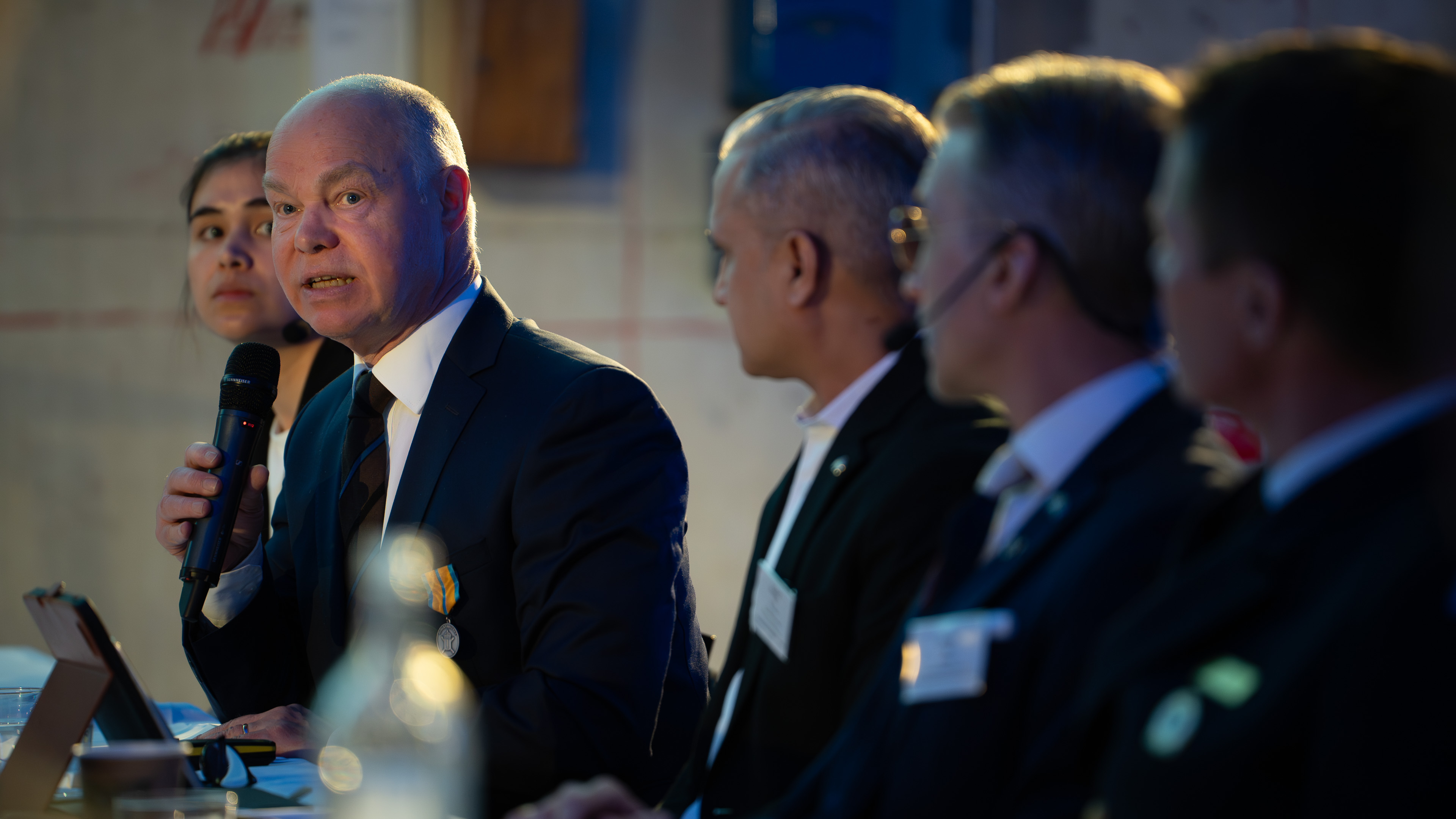
In the first week of March, KTH and Cybercampus Sweden welcomed a high level delegation led by the Supreme Commander of the Swedish Armed Forces, General Michael Claesson, and NATO’s Supreme Allied Commander Transformation (SACT), Admiral Pierre Vandier. The visit centred on research, education, and innovation for digitalisation, cybersecurity, and cyber defence – and highlighted Sweden’s growing role in strengthening cyber resilience within the Alliance.
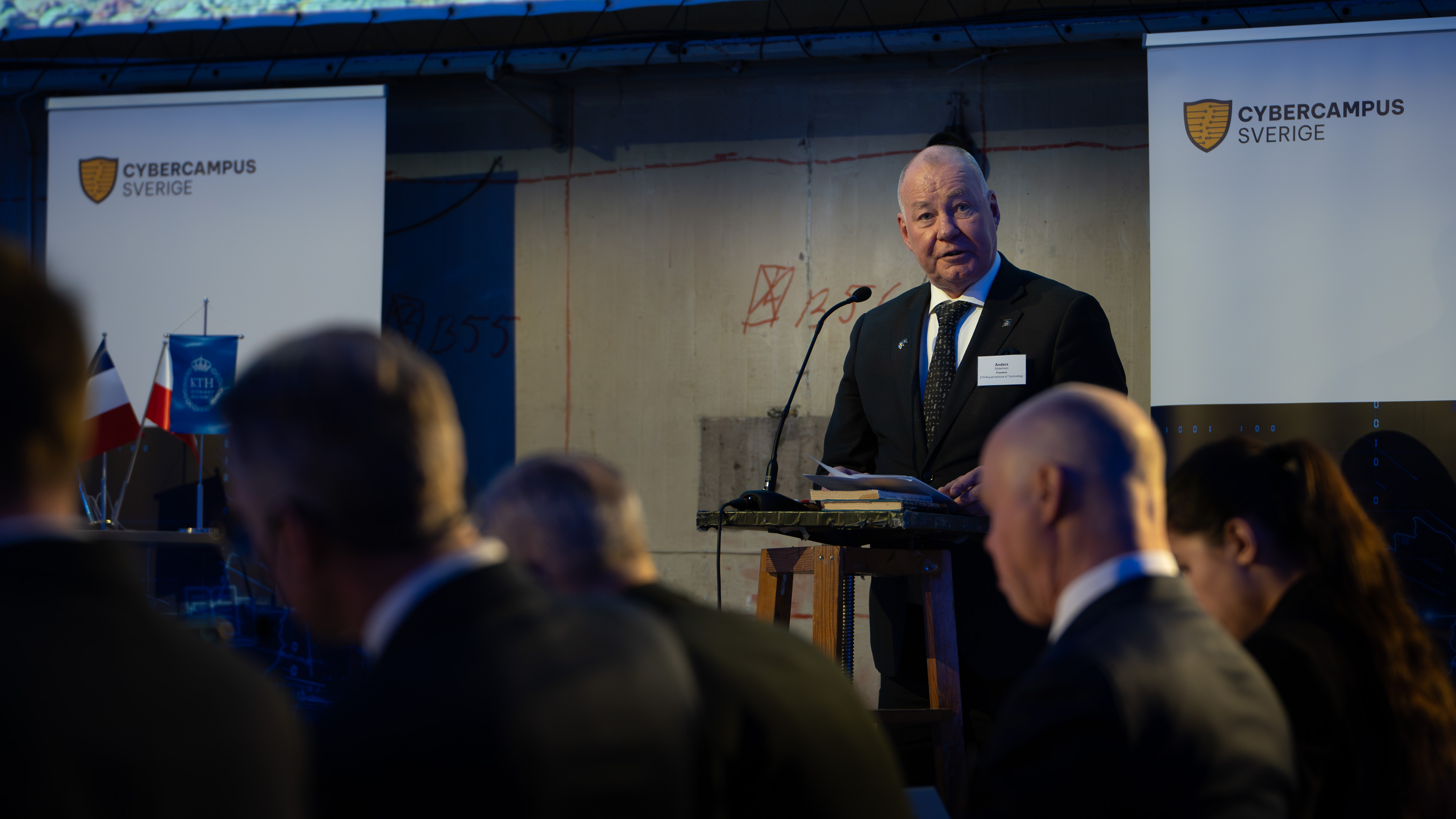
KTH President Anders Söderholm opened the programme by introducing the delegation to KTH’s work in sustainable development, innovation, digitalisation, total defence, and nuclear technology research. The visit also illustrated the long‑standing cooperation between KTH and the Swedish Armed Forces: since 2020, KTH has provided professional cybersecurity training for military personnel, and the Swedish Armed Forces is a partner within Cybercampus Sweden.
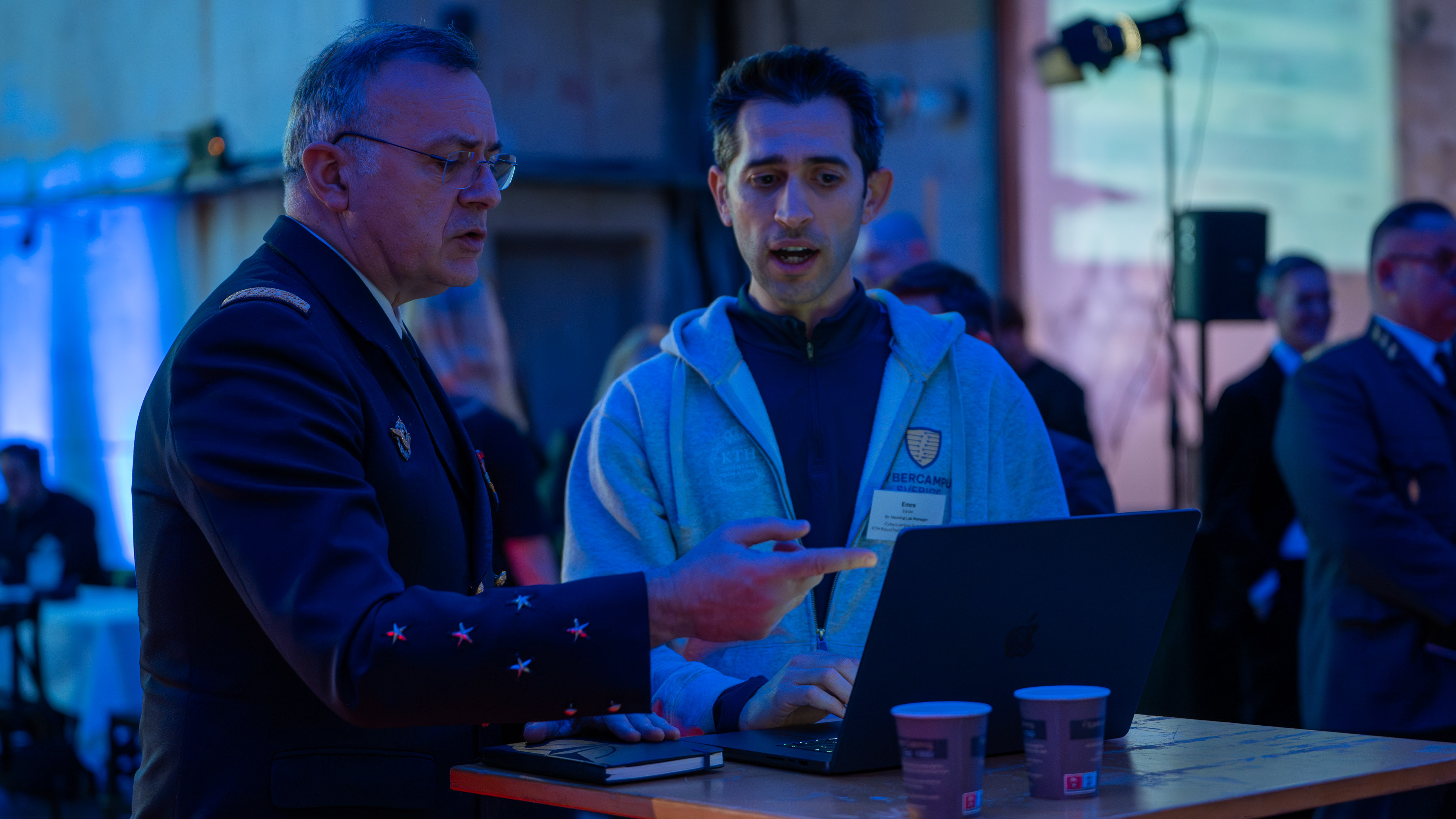
The delegation took part in a lecture on Swedish cyber defence by Colonel Höglund, followed by presentations outlining Cybercampus Sweden’s mission and strategic areas. Demonstrations on 5G, cloud technologies, and cyber soldier training were provided by the Swedish Armed Forces and the Cybercampus Hacking Lab.
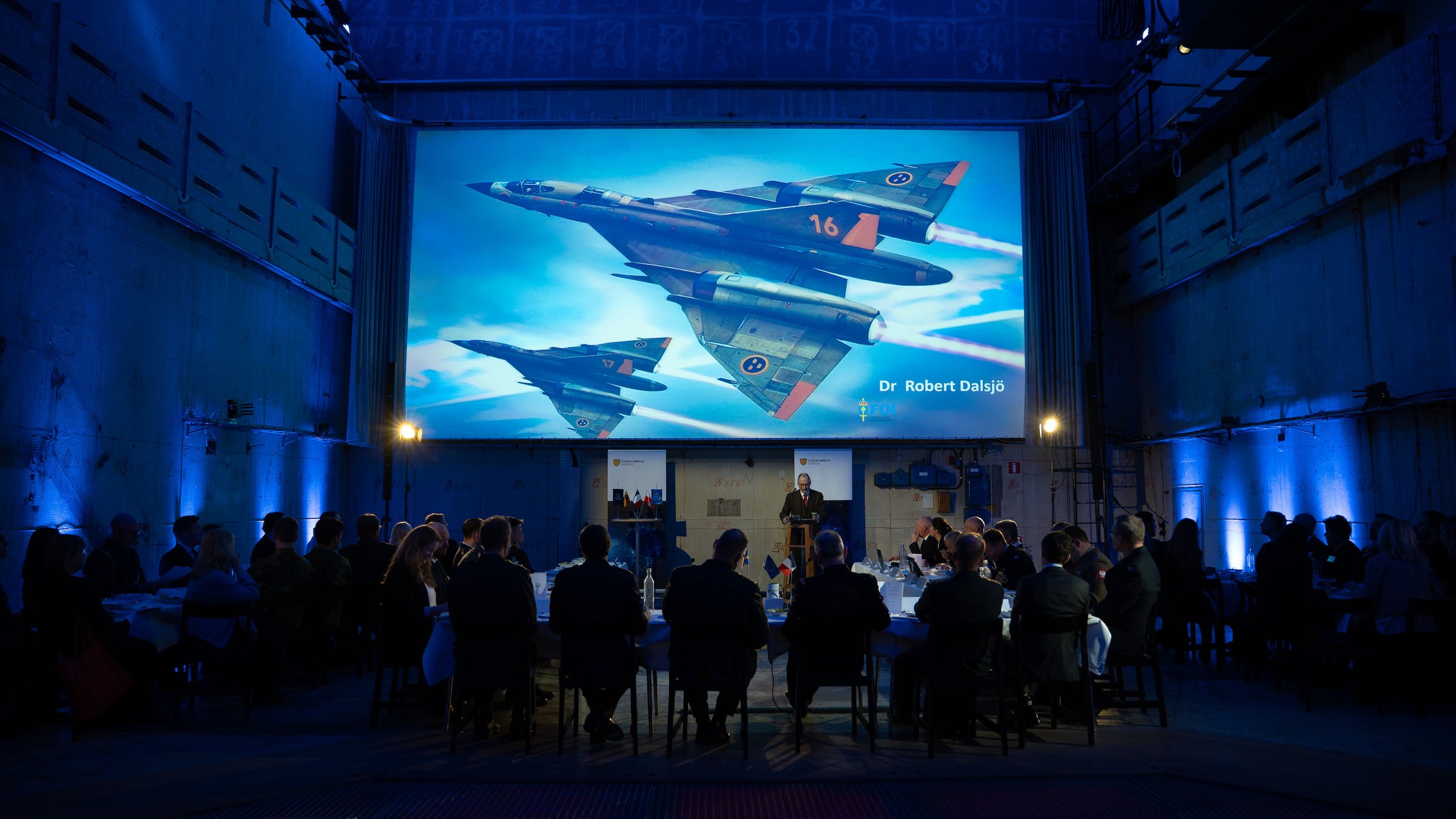
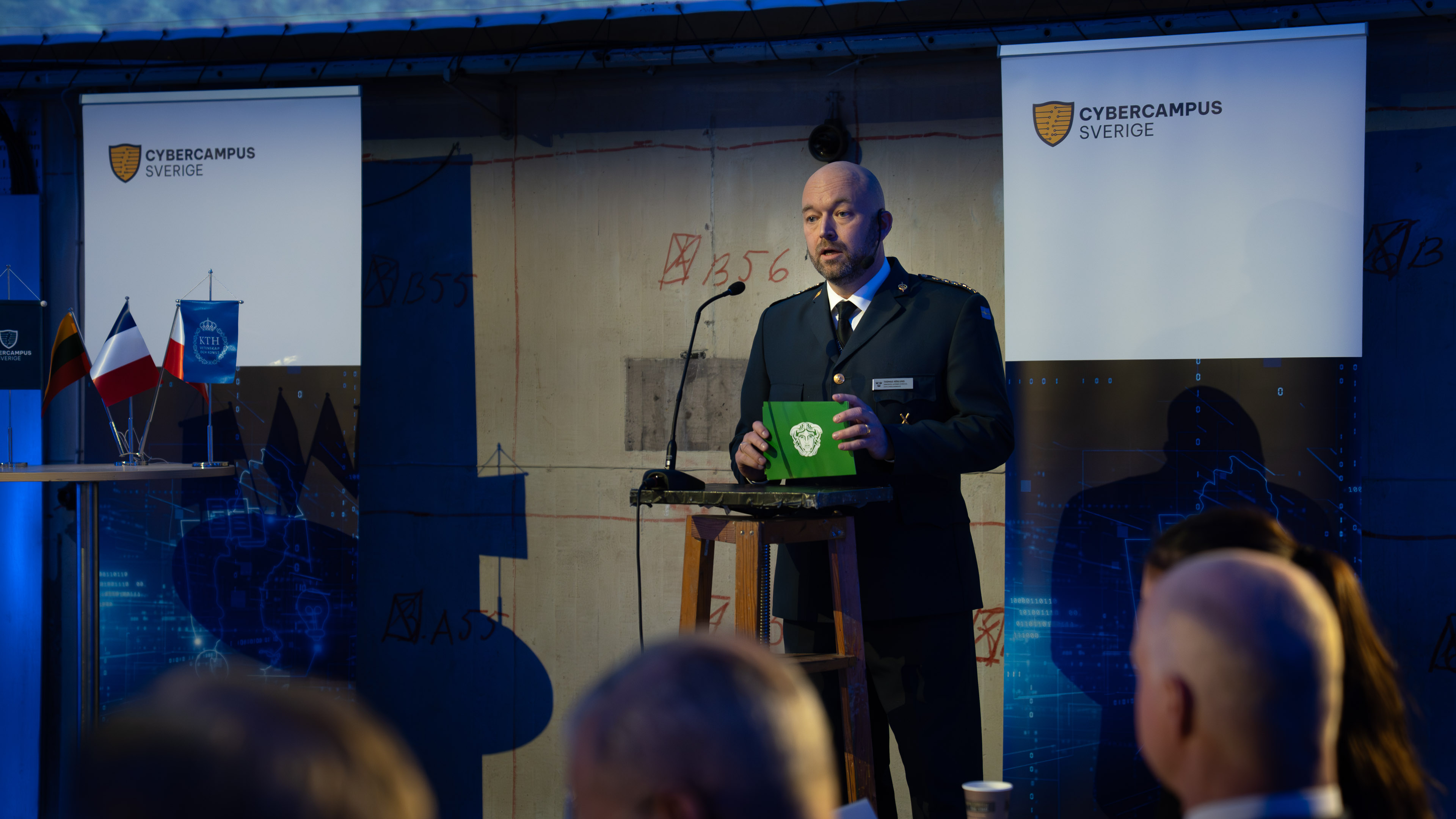
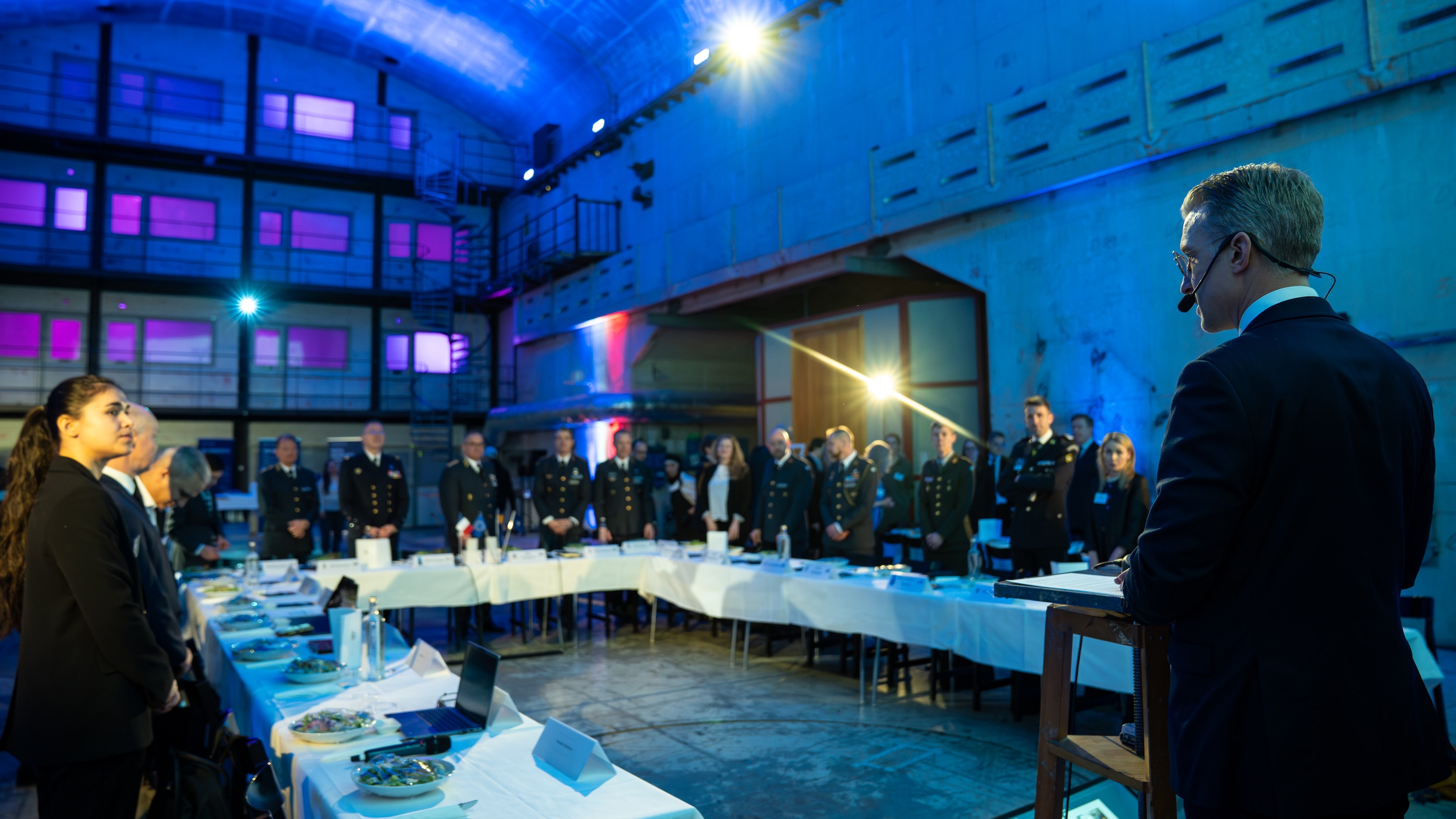
The programme also included a guest lecture by Dr Robert Dalsjö from the Swedish Defence Research Agency (FOI), who presented Sweden’s capability development from the 1950s onwards.
Together, the sessions underscored the importance of interdisciplinary work and close collaboration between academia, government, and industry — the core of the triple‑helix model that Cybercampus Sweden is built upon.
The guests expressed great interest throughout the visit. In his concluding remarks, Admiral Vandier emphasised the value of collaborative national initiatives for the Alliance’s collective cyber strength:
Sweden’s strength in cyber lies in its velocity. Initiatives like Cybercampus show how a nation can bring academia, government, and industry together to move faster and help push the Alliance forward.
General Claesson shared similar reflections:
What has been achieved here in a short time is impressive. Sweden approaches this work with humility, but also with confidence that initiatives like Cybercampus can help us strengthen both our own defence and the Alliance.
David Olgart, Director of Cybercampus Sweden, highlighted the significance of the visit:
It is encouraging that interest in Cybercampus Sweden has reached all the way to NATO’s Allied Command Transformation in Norfolk. Our strength lies in short geographic distances and close collaboration, which allows us to align quickly and turn ideas into practical results. Cybercampus Sweden’s interdisciplinary approach is essential for developing cybersecurity and cyber defence capabilities that make a real difference, both in Sweden and across the Alliance.
The visit took place in the historic Reaktorhallen, once home to Sweden’s first nuclear reactor, R1.
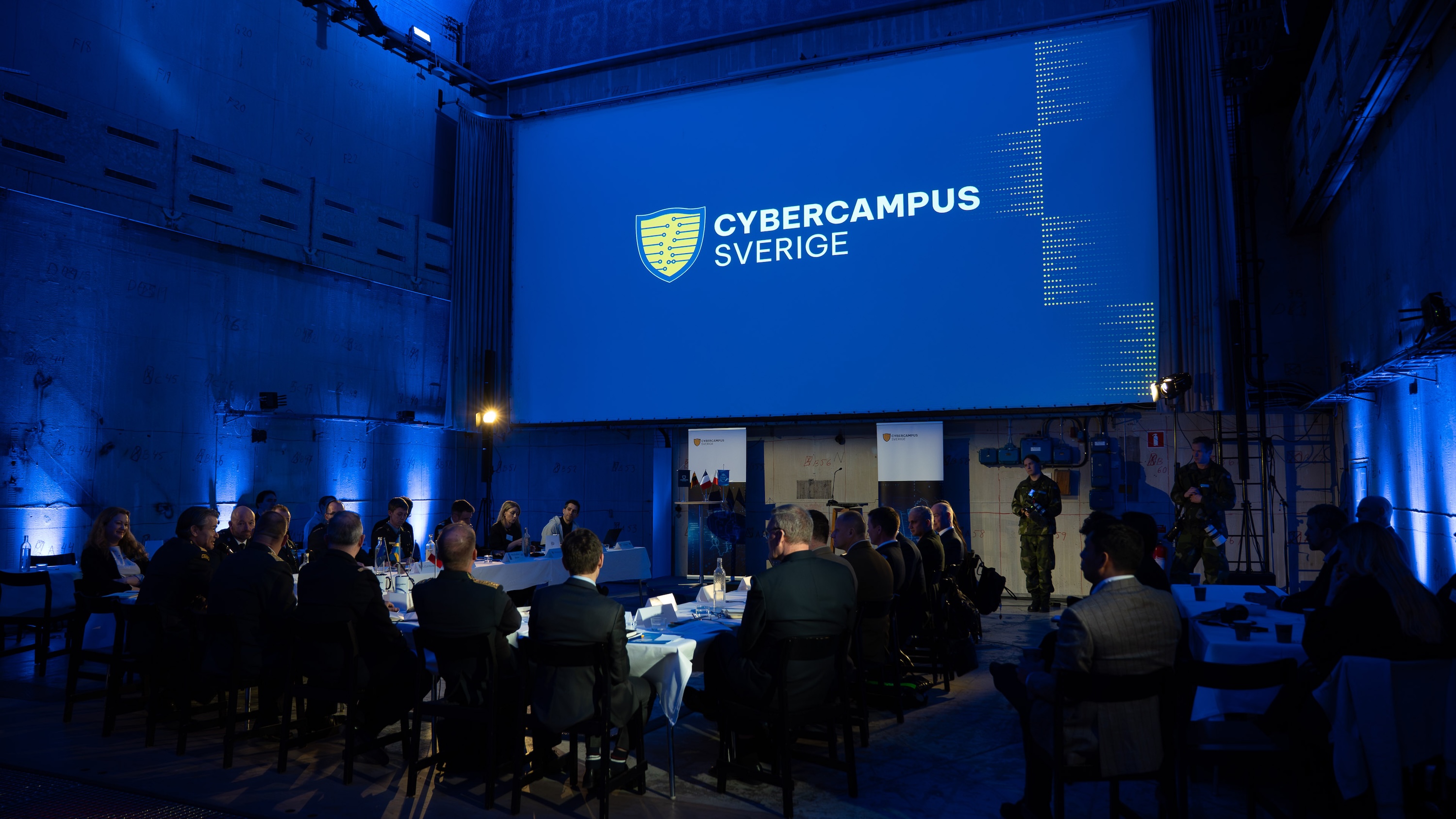
Photos: Sanna Johannesson, Blackbox Videoproduktion AB