
State Secretary Tests Cyber Vaccination at Sweden's Hacking Championship
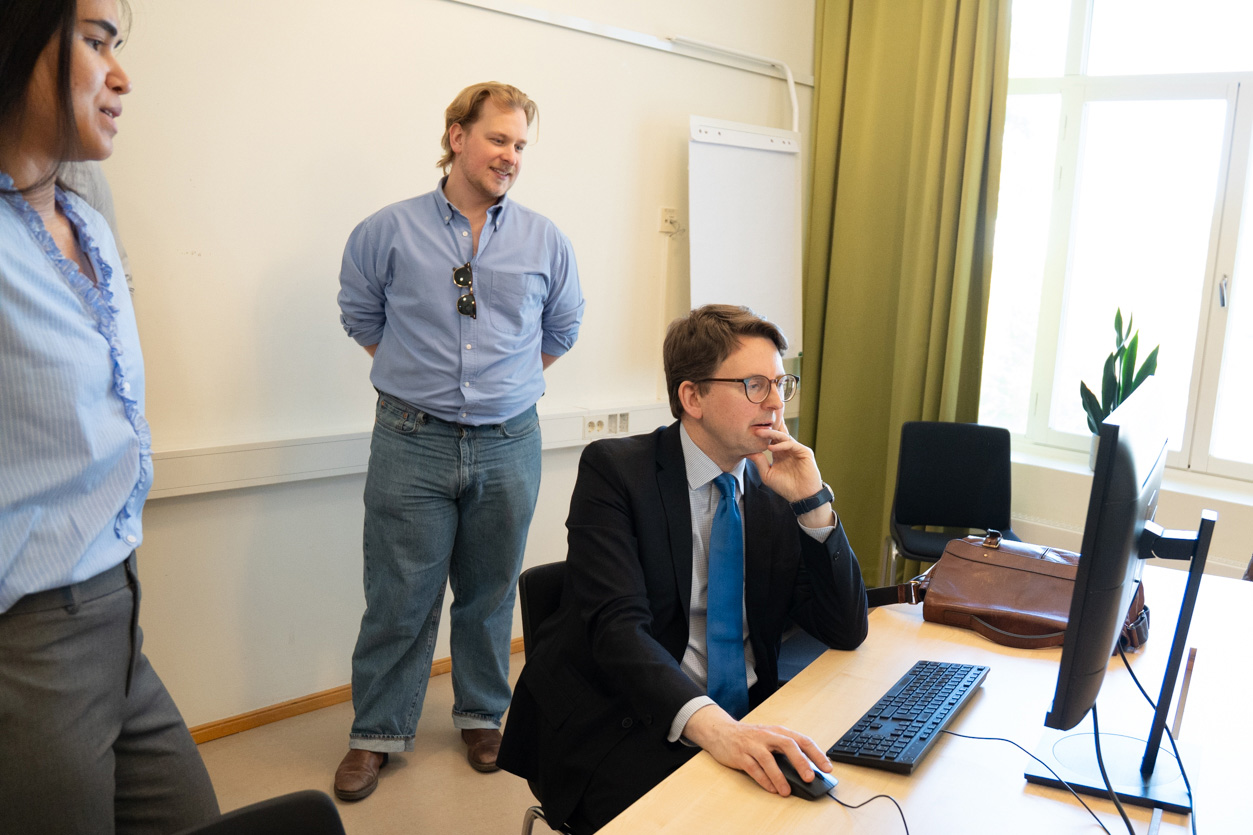
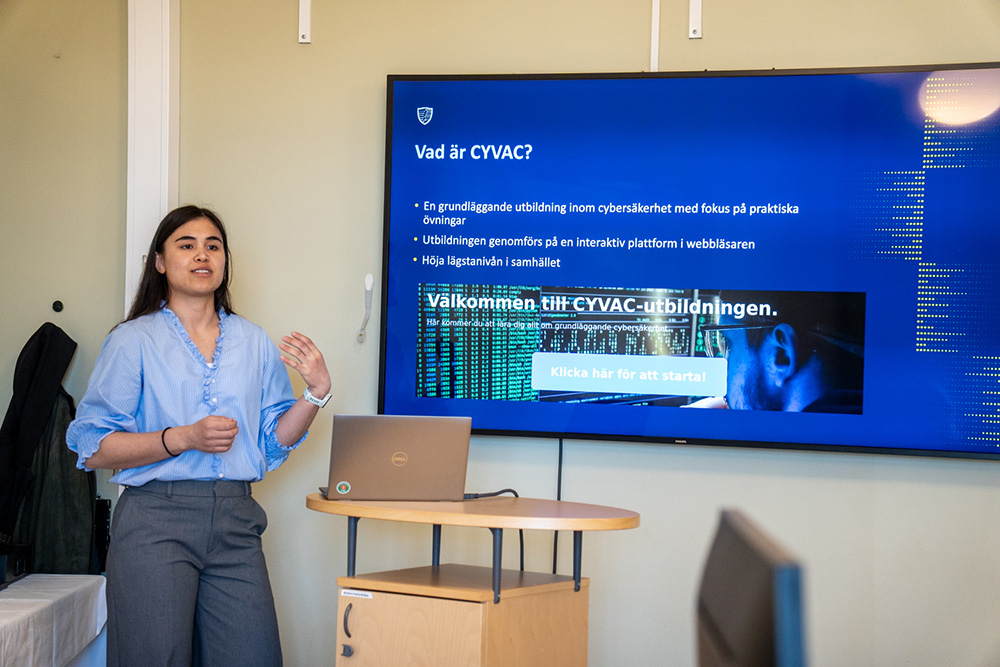
Fifty of Sweden's sharpest digital talents gathered at Bosön, just outside Stockholm, to compete for a spot on the Swedish National Hacking Team (SNHT). But the young competitors were not the only ones putting their cyber skills to the test. State Secretary Johan Berggren took the opportunity to try out CYVAC (short for Cyber Vaccination), and came away convinced that hands-on practice is the key to real knowledge: "Knowledge sticks best when you get to combine theory and practice."
While testing the platform, Berggren drew a parallel to military defense, where regular training is taken for granted. He argued that cyber capability should be viewed the same way, as something maintained continuously rather than addressed in a single effort.
Philip Gustafsson, project manager for educational matters at Cybercampus, highlighted young people as a particularly important target group, noting that a significant share of young Swedes have weak IT skills and score poorly in international assessments.
Berggren agreed and stressed that cyber training must reach well beyond specialist circles.
"We have to do both. Cybersecurity in Sweden is only as strong as its weakest link. We need to raise basic cyber hygiene across the board while also sharpening our specialist expertise. Competition in this field is only going to intensify, and we need to support our talents," he said.
Berggren views initiatives like the national hacking team as important for Sweden's long-term cybersecurity capability.
"Competence in this area is in short supply, both nationally and internationally. It's great if we can create incentives for more people to want to get involved and contribute," he added.
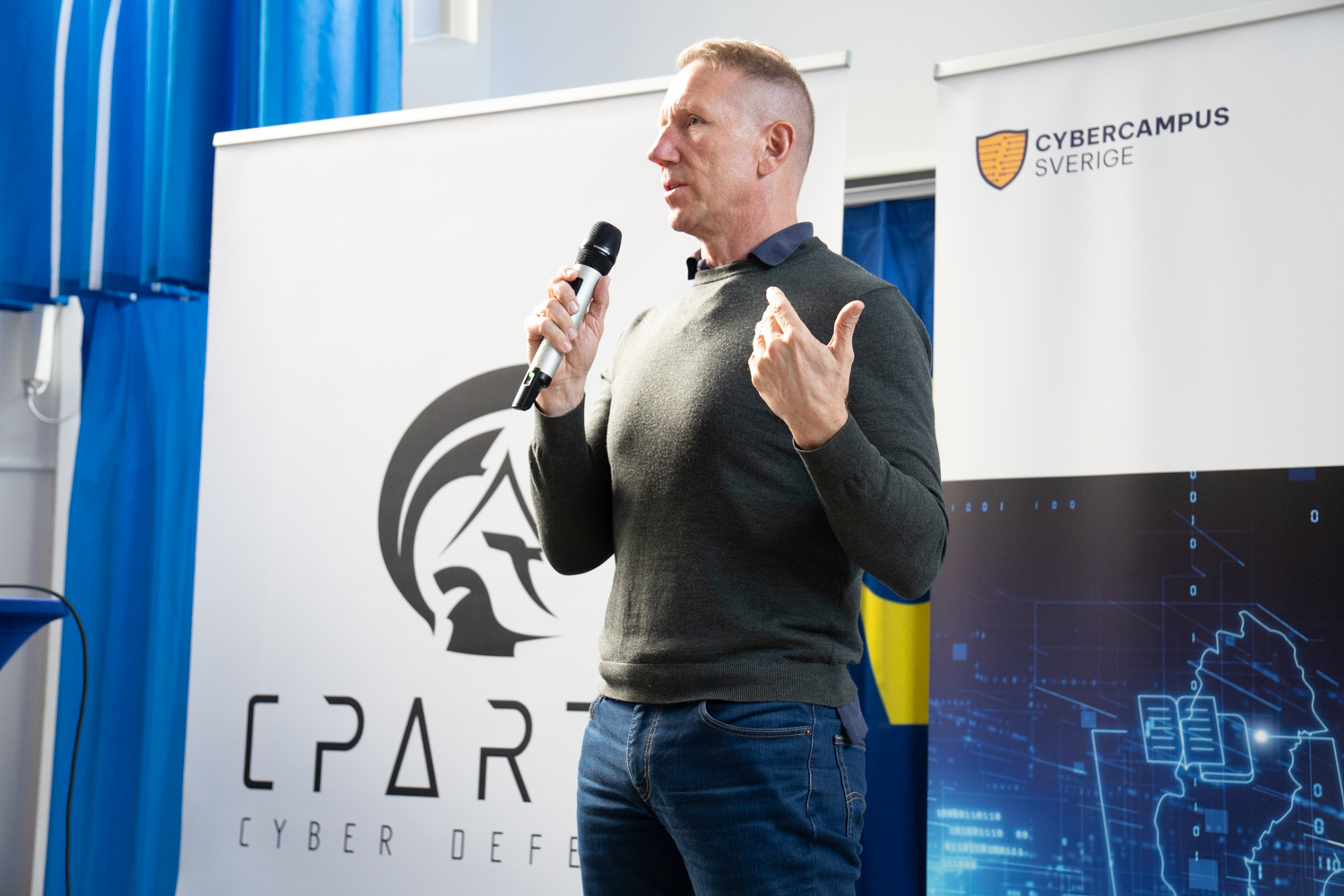
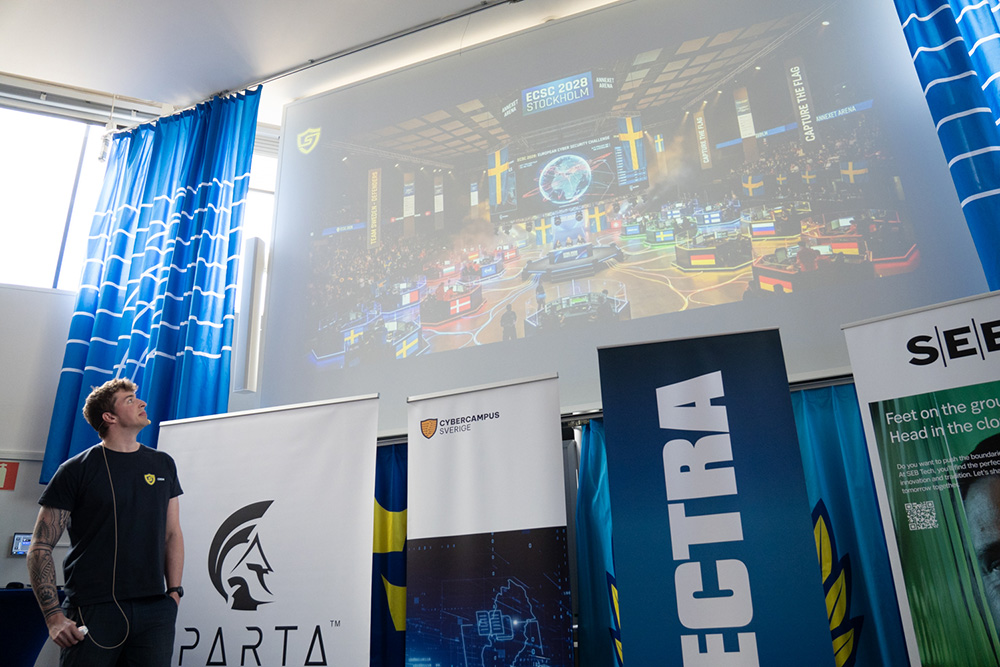
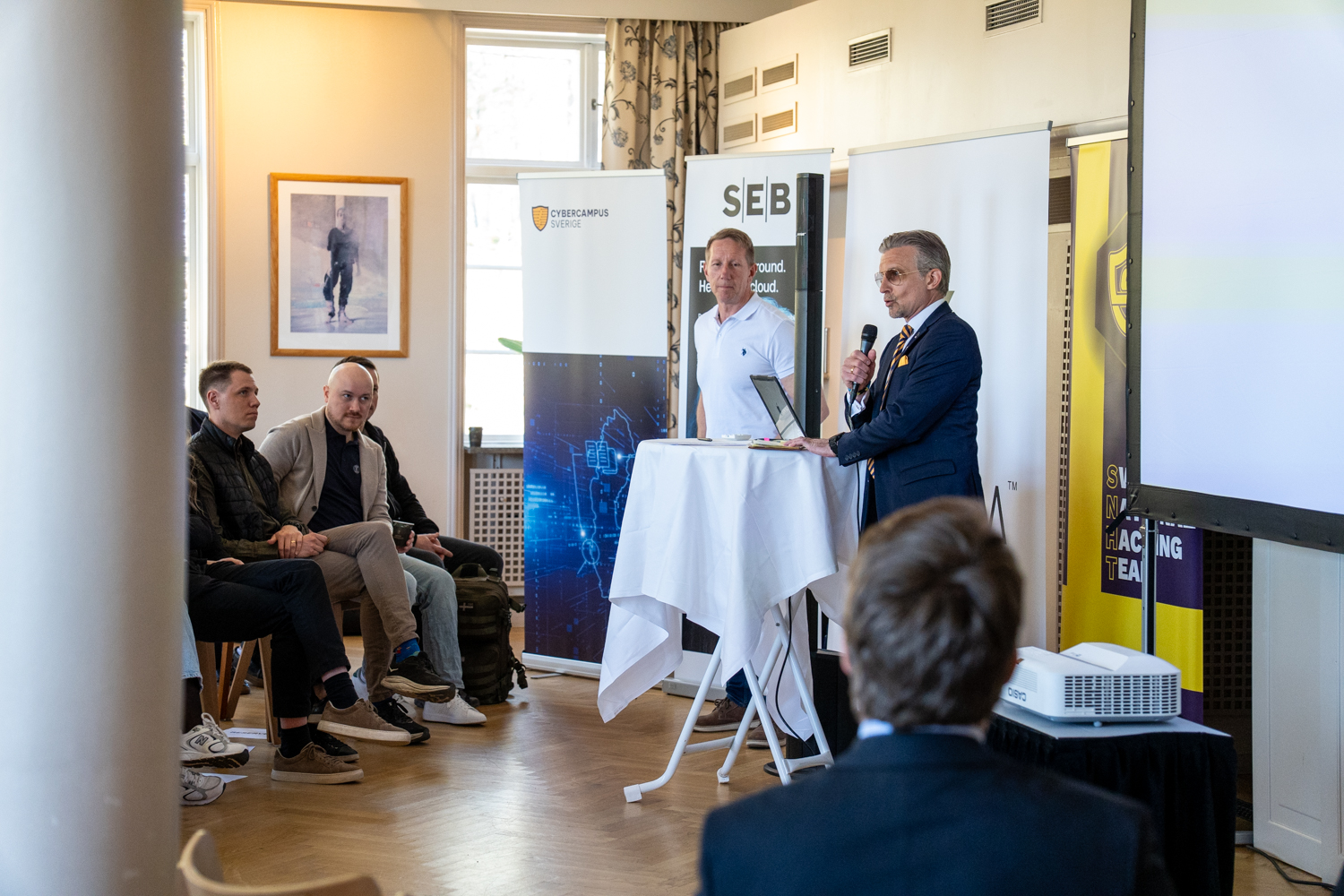
The hacking team is a joint initiative between several organizations working to identify, recruit, and develop young cybersecurity talents. It represents Sweden in international competitions such as the European Cybersecurity Challenge (ECSC). Of the 50 participants at Bosön, 15 ultimately made it onto the team. Sweden will compete at the ECSC in Germany later this year, and in 2028 Sweden will host the competition, with Cybercampus serving as the main organizer.
"Hosting in 2028 gives us the chance to engage more Swedish companies and universities and really put this field on the map," Berggren said.
With the 2026 election on the horizon, the conversation also touched on the recently published recommendations from the NCSC for a safer digital private life. Berggren underlined that spreading cybersecurity awareness is especially pressing ahead of the election period.
"We will do our best to get the message out, particularly given the election campaign, when we need to be especially alert to cyber threats," he said.