
CyberSweden 2026 Recap
From Cybercrime Infrastructure to Quantum Safe Crypto
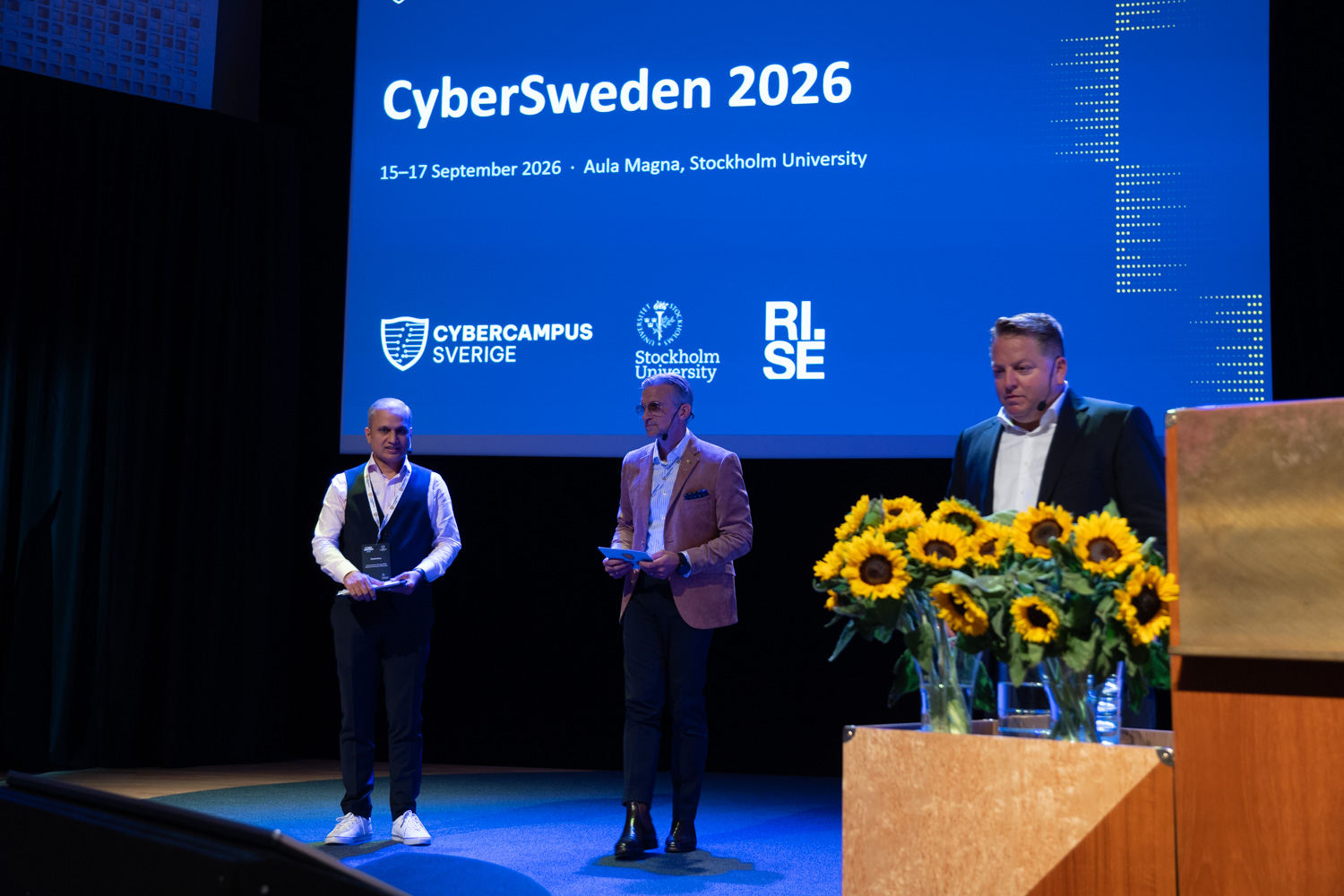
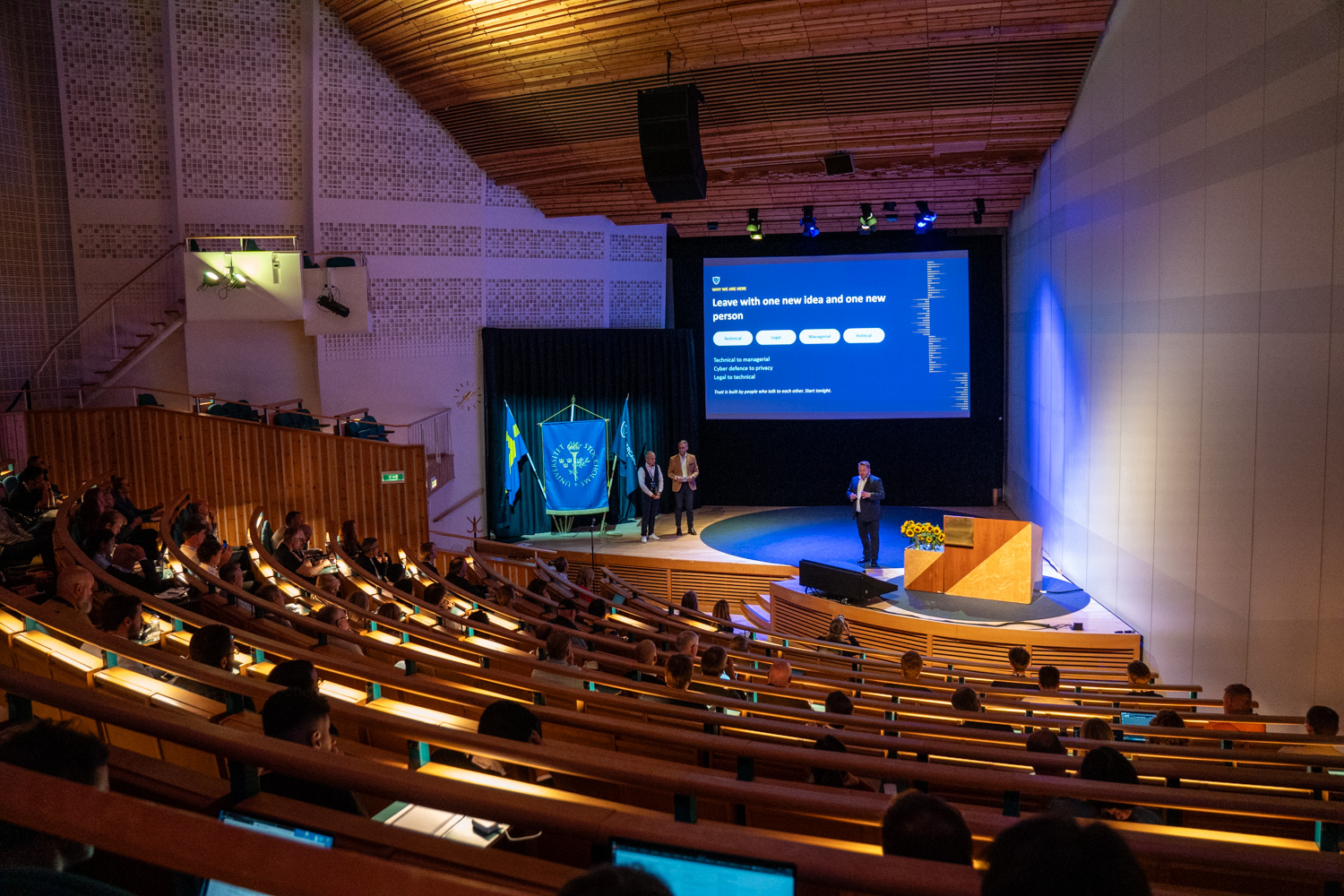
CyberSweden is Cybercampus Sweden's annual research conference, the natural meeting place for cybersecurity researchers in academia and industry. Now in its second year, the conference brought together researchers, industry and government at Aula Magna, Stockholm University, from 15 to 17 September.
Sessions spanned AI and cybersecurity, digital privacy, vulnerability research, trustworthy AI, secure 6G and satellite systems, and socio-technical approaches to security, alongside the PhD poster session that had worked so well in its first year.
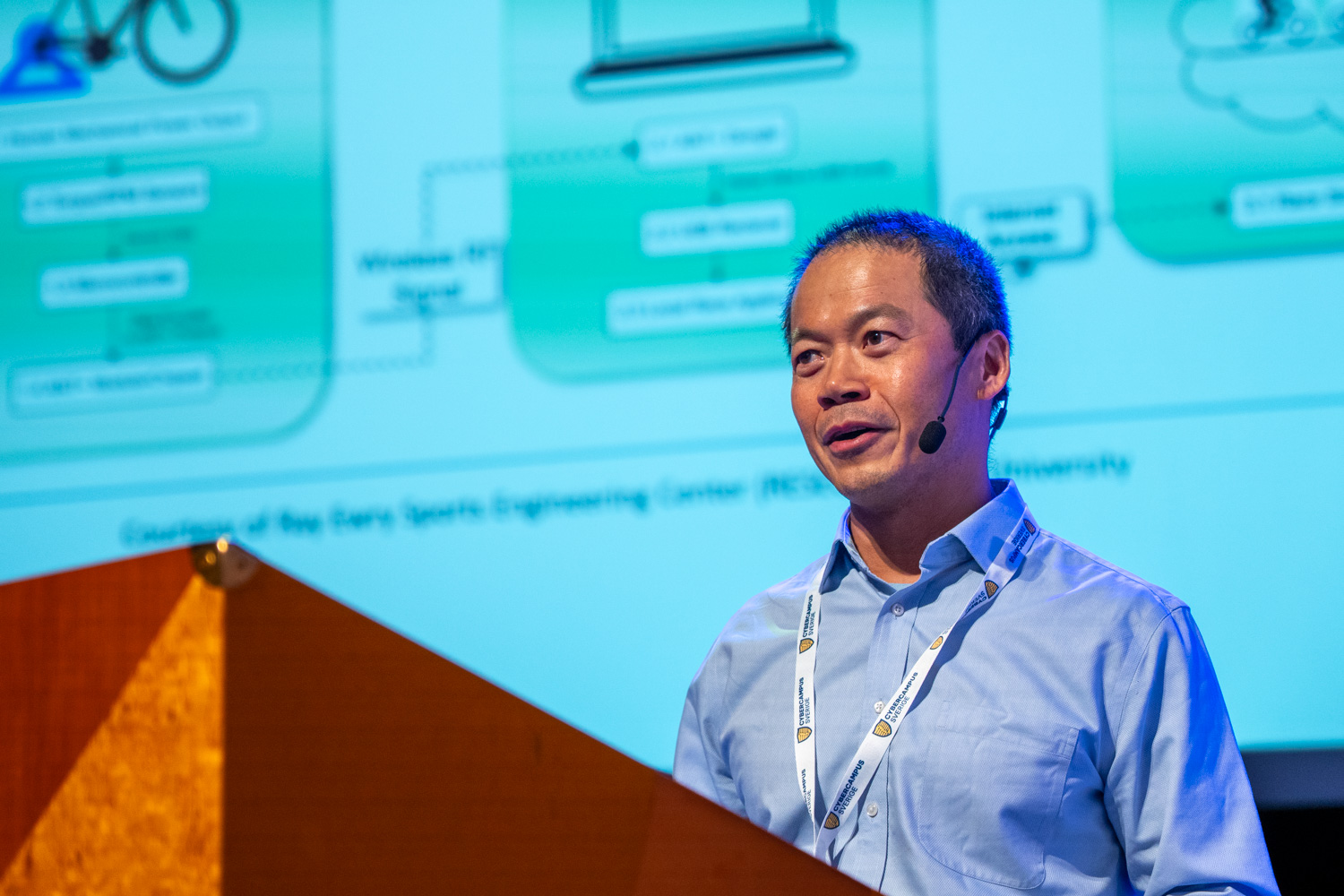
The conference opened on the fifteenth with a welcome from Shahid Raza, David Olgart and Fredrik Blix, and a keynote from Dongyan Xu of Purdue University's CERIAS on a cross plane methodology for cyber physical security.
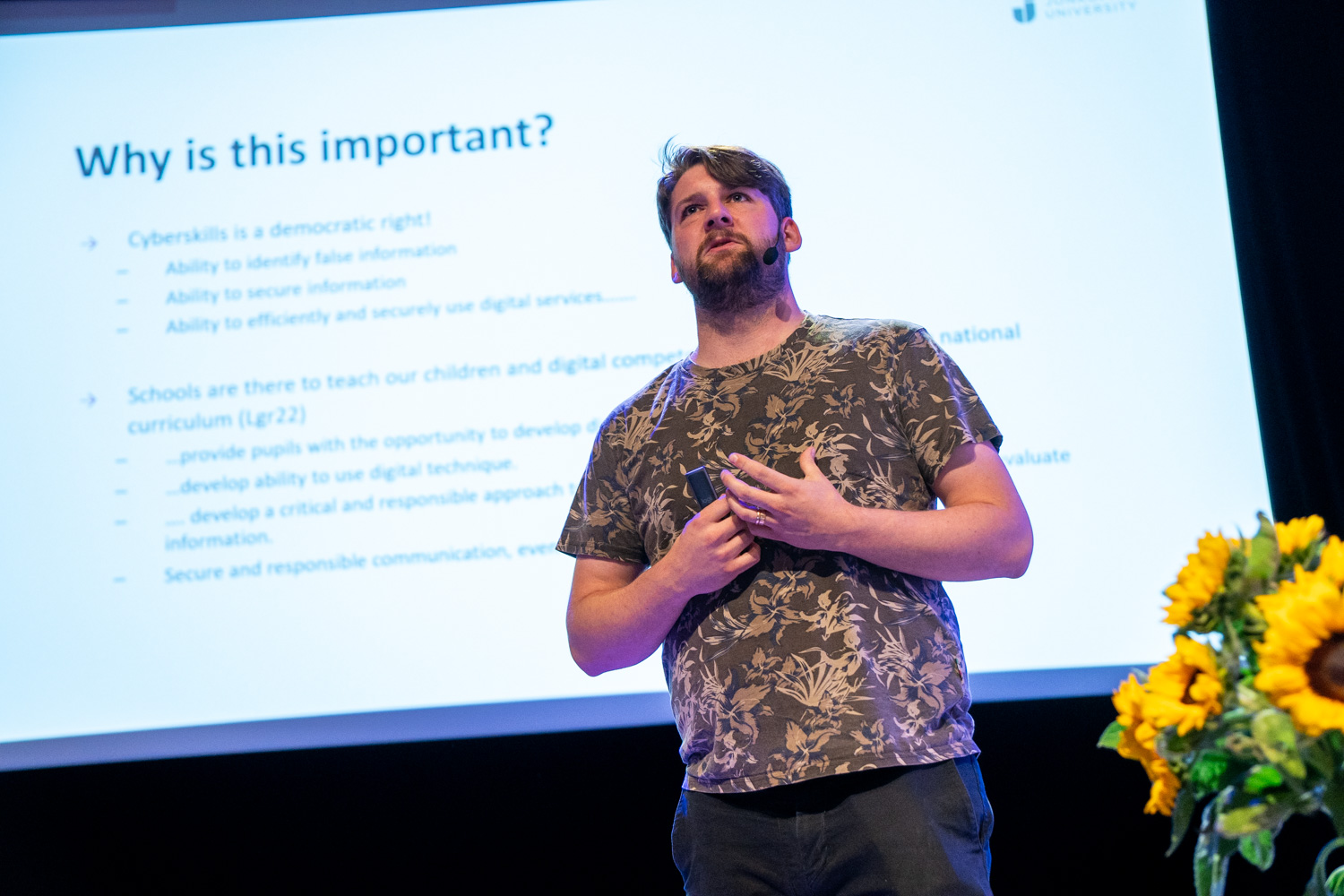
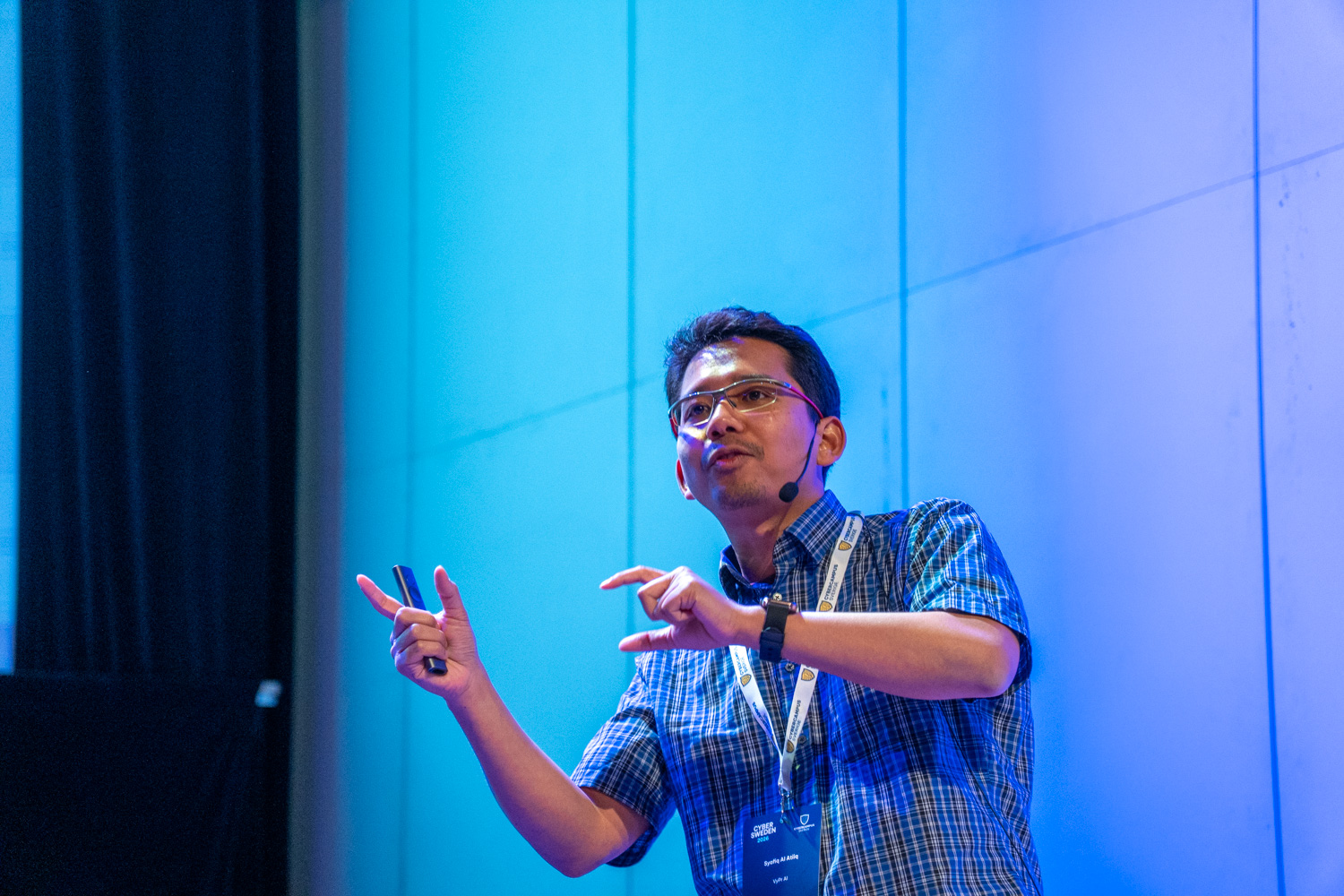
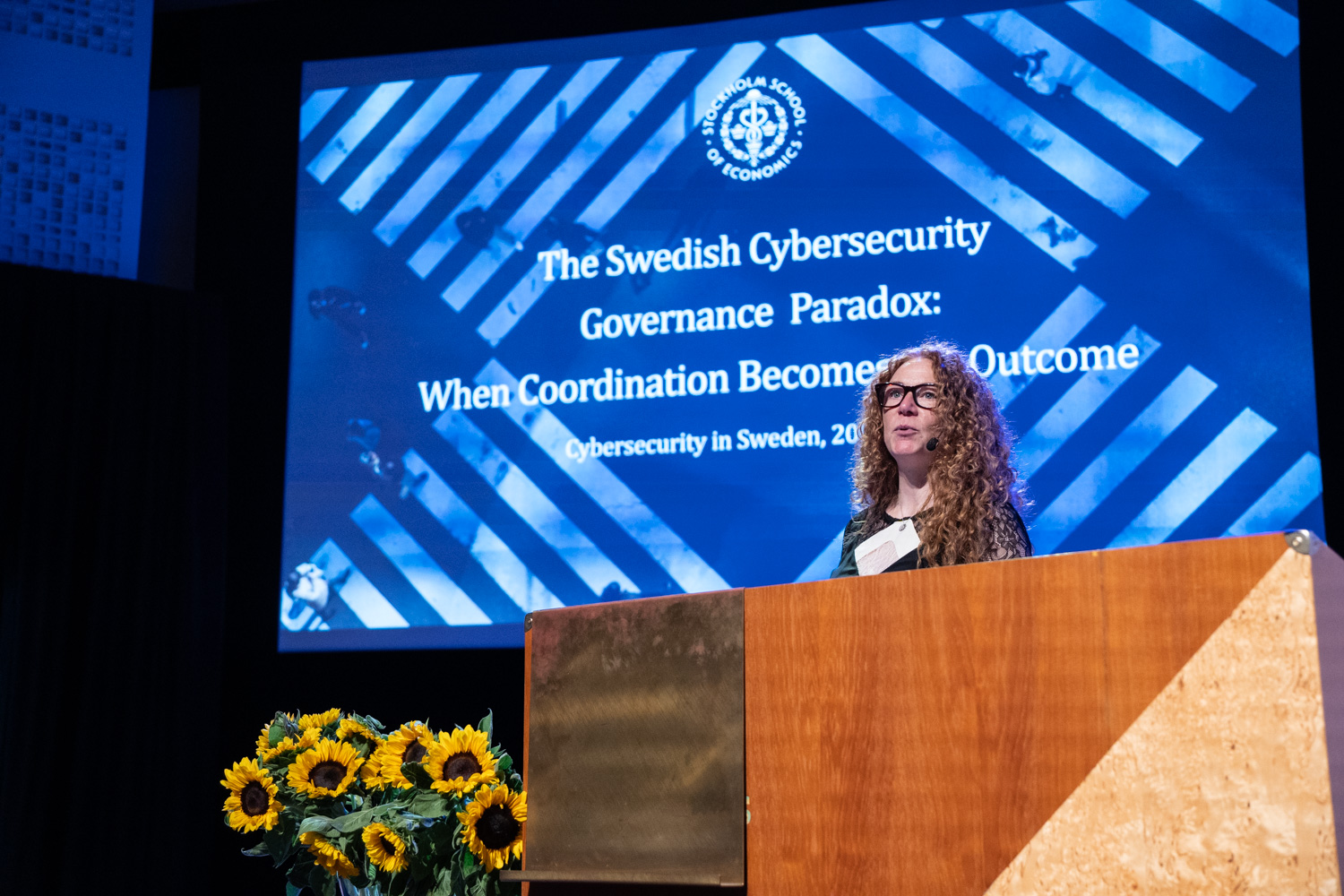
From there the day moved into Cybercampus's own research, with Annika Andreasson on Sweden's cybersecurity at a crossroads, Alejandro Russo on privacy preserving data sharing in the age of AI, Syafiq Al Atiiq on LLM powered vulnerability discovery, and Joakim Kävrestad on building cyber hygiene readiness.
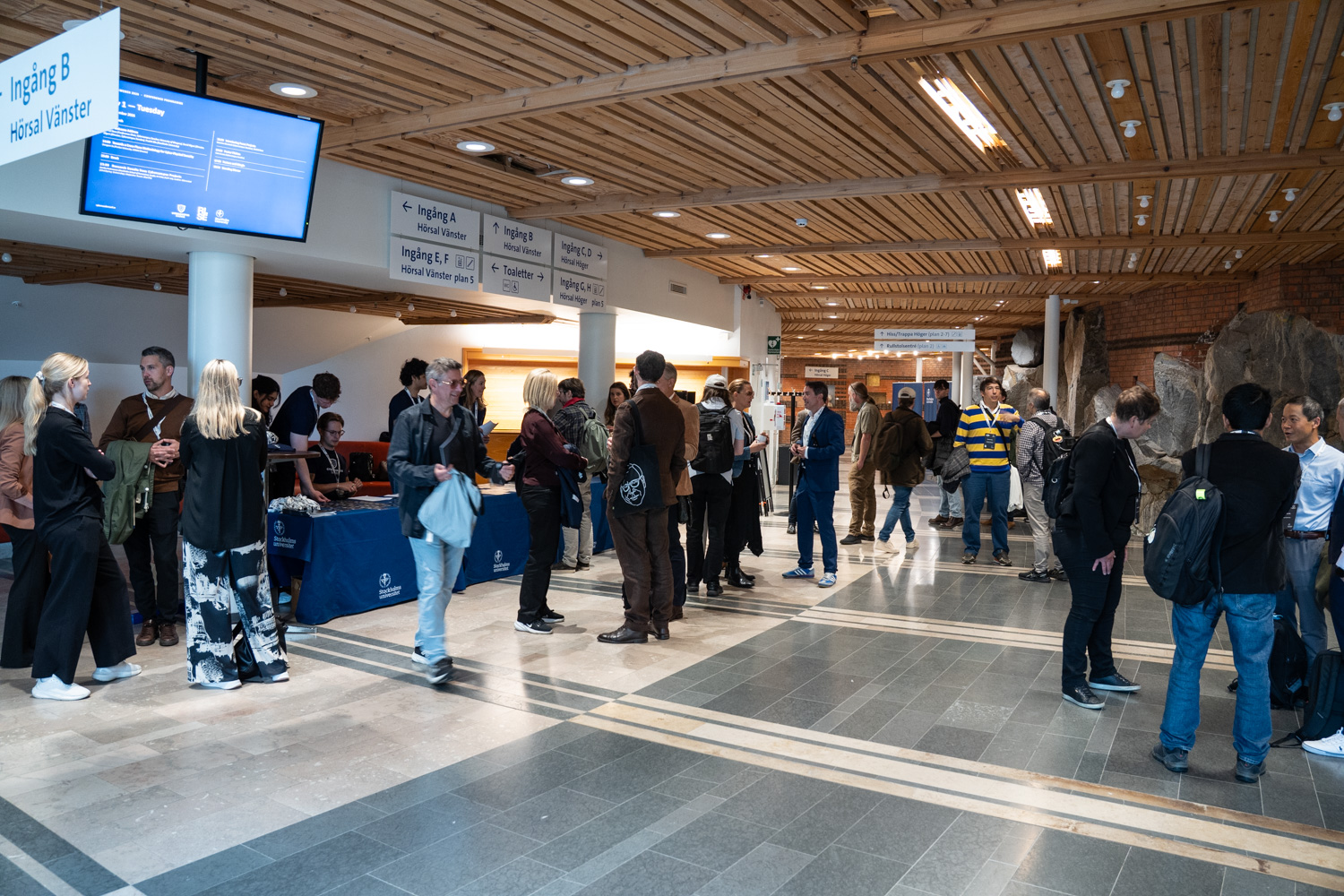
Poster pitches and a well attended exhibition carried the afternoon into a standing dinner where the conversations ran long. It was clear early on, from the turnout and the questions in the room, that this meeting place was needed.
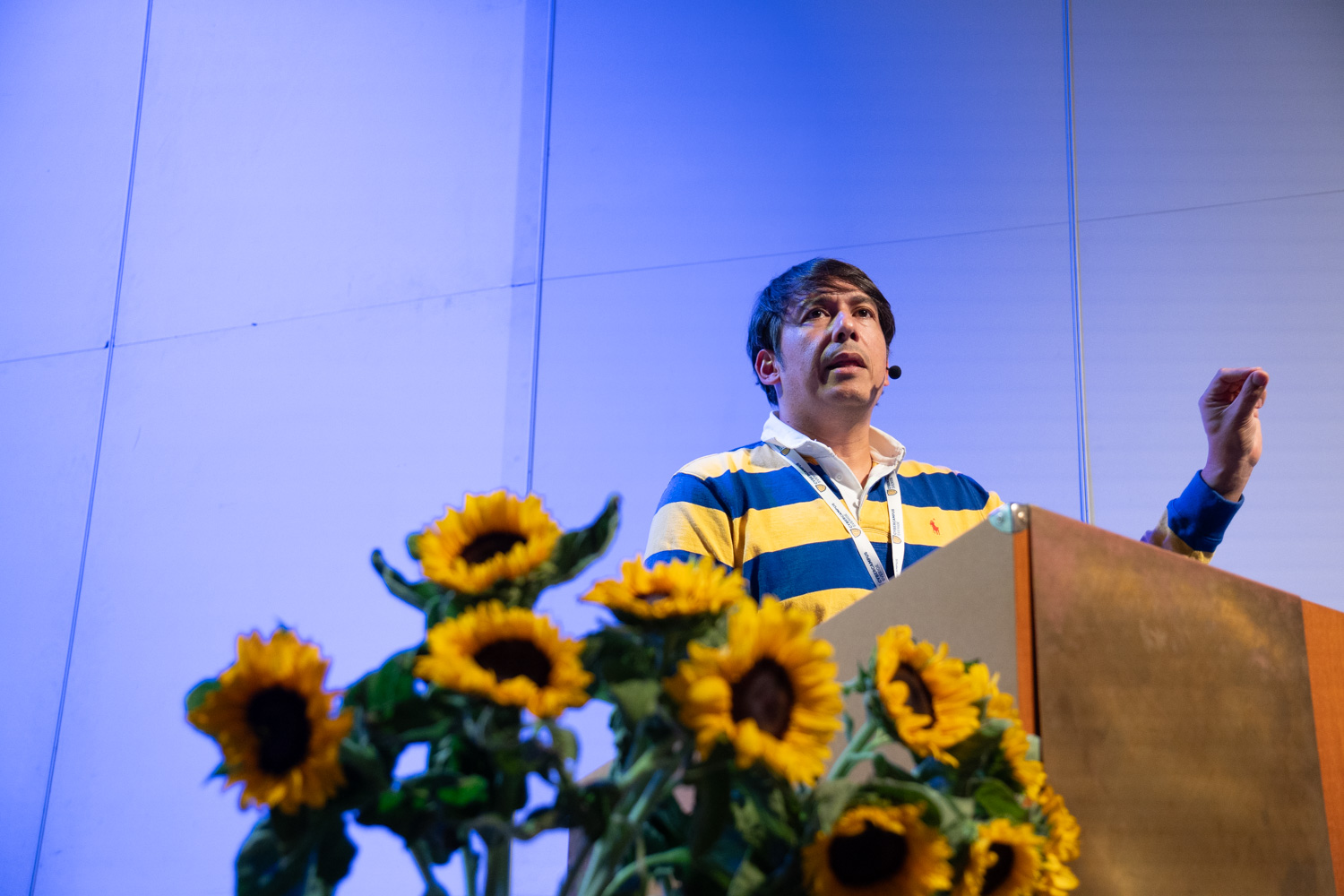
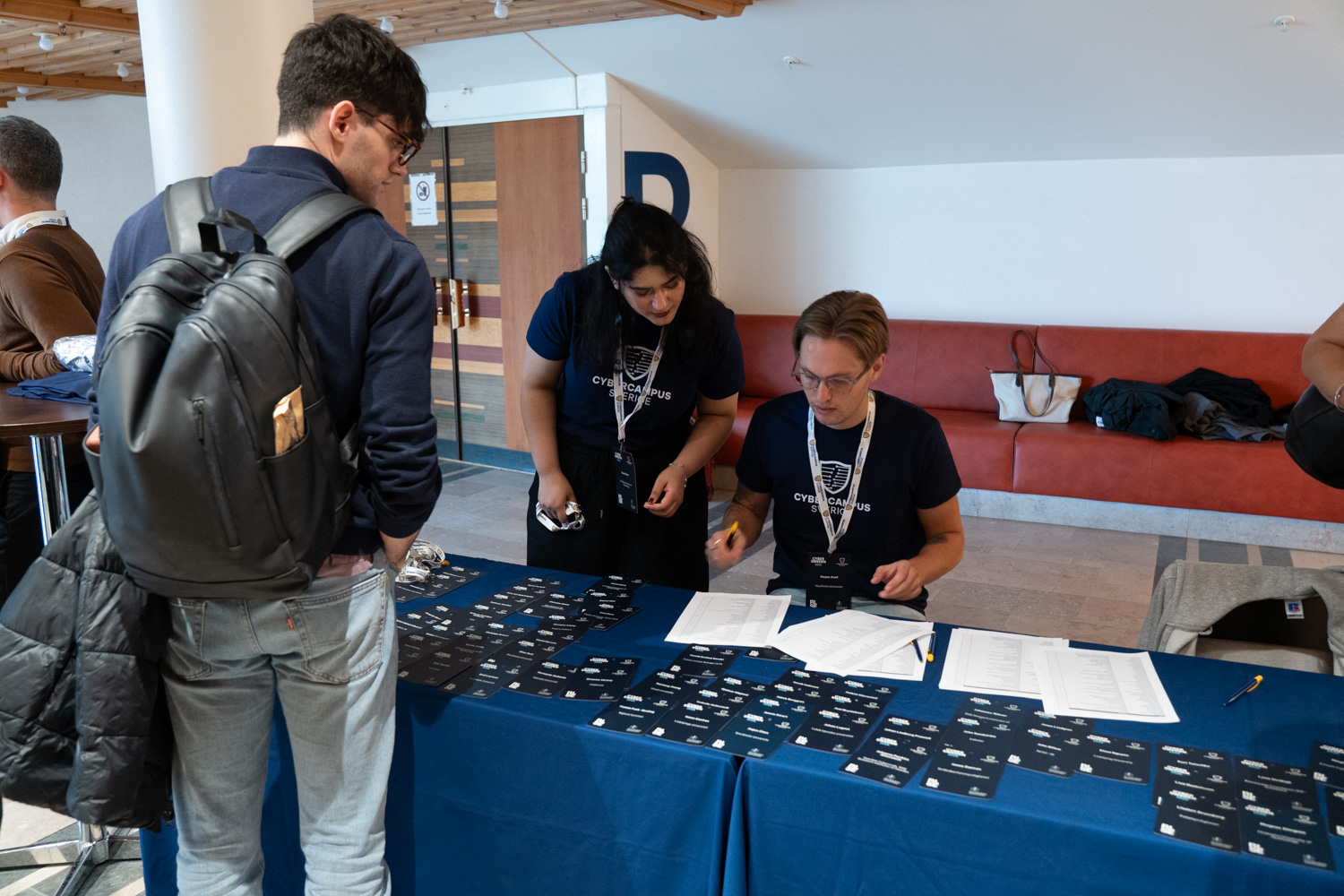
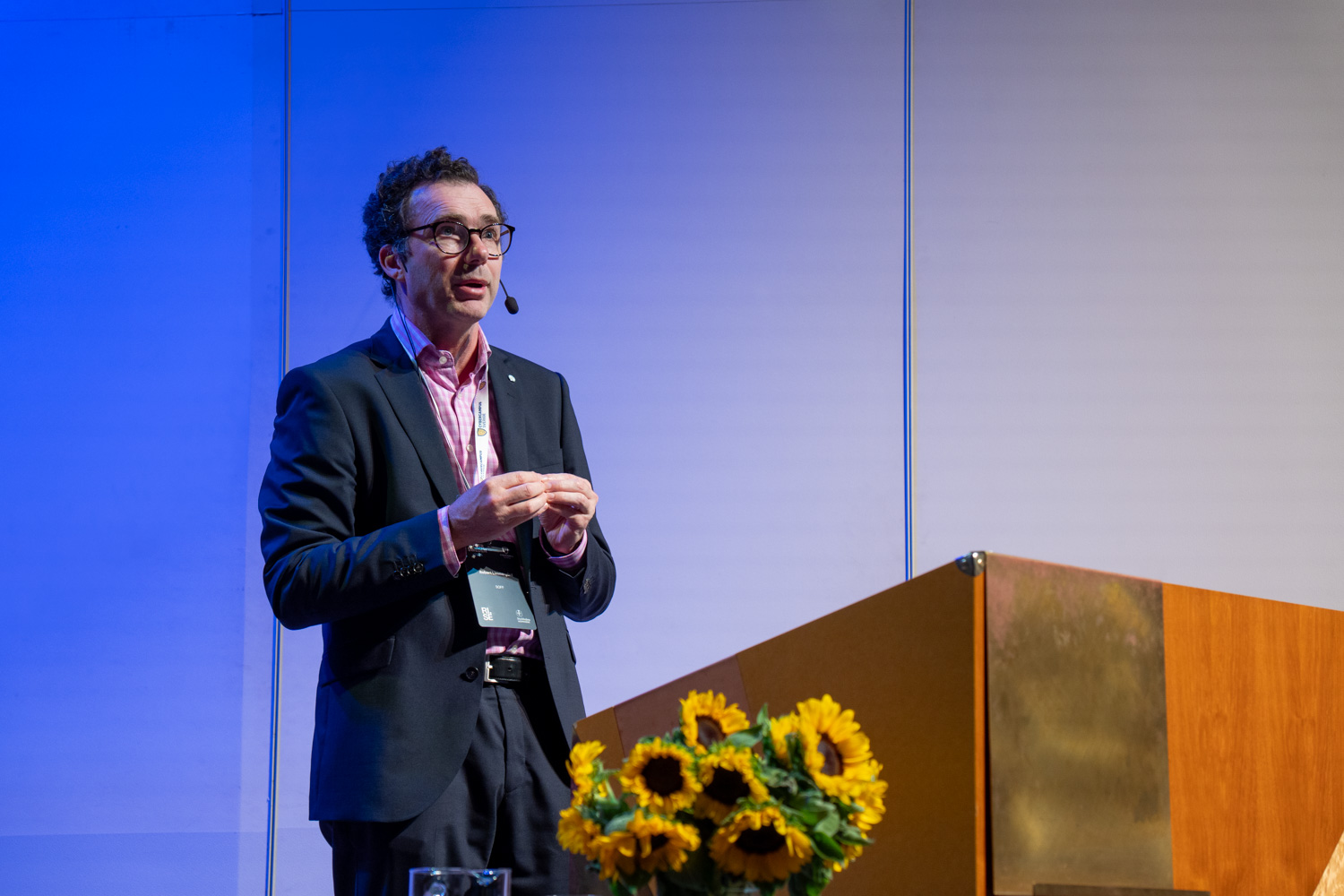
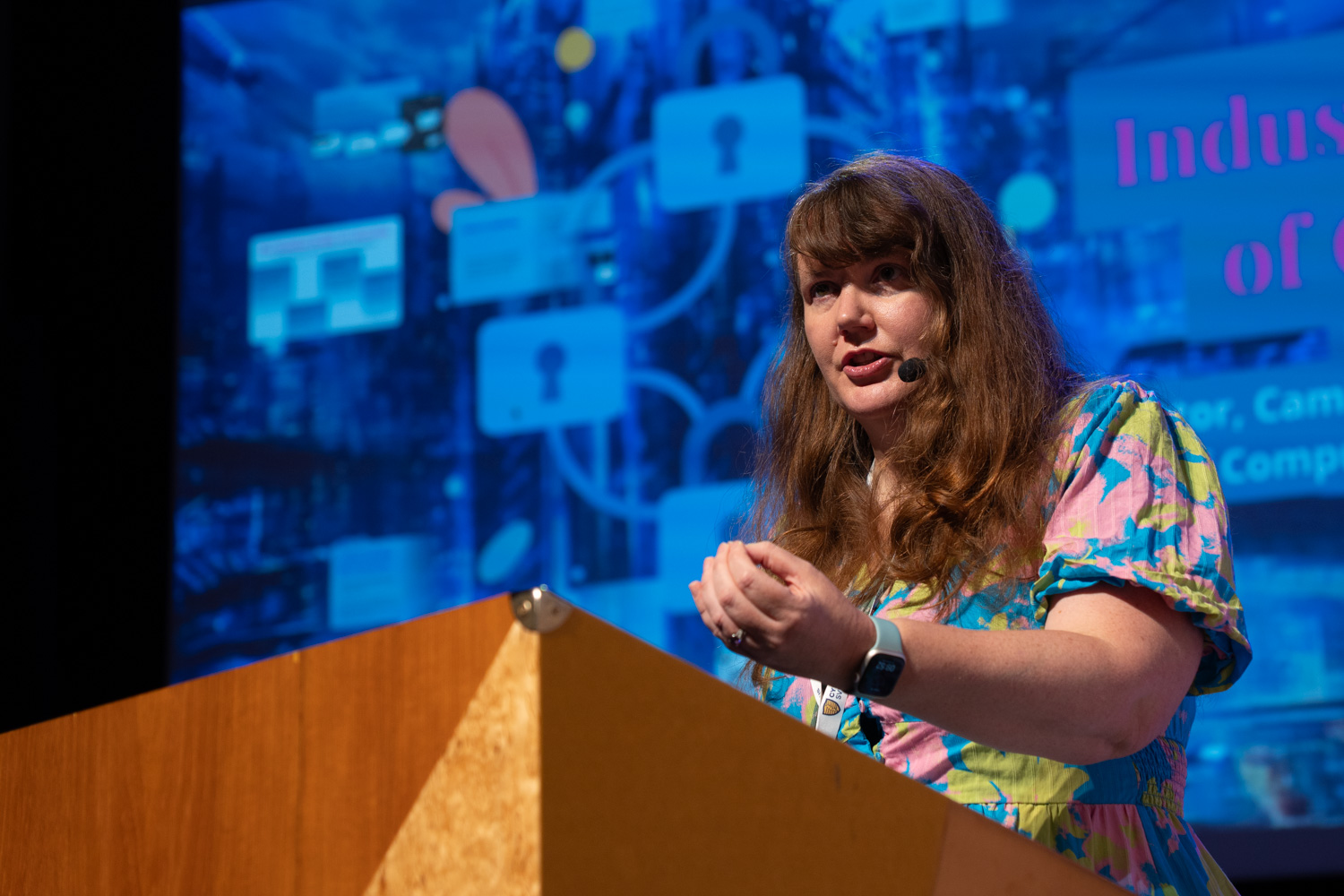
That energy carried into the second day. Alice Hutchings from the University of Cambridge opened the morning with a look at the infrastructure behind the industrialisation of cybercrime, and Robert Limmergård from SOFF followed with a reminder that real cyber defence only works when it is built as an ecosystem rather than by any single actor.
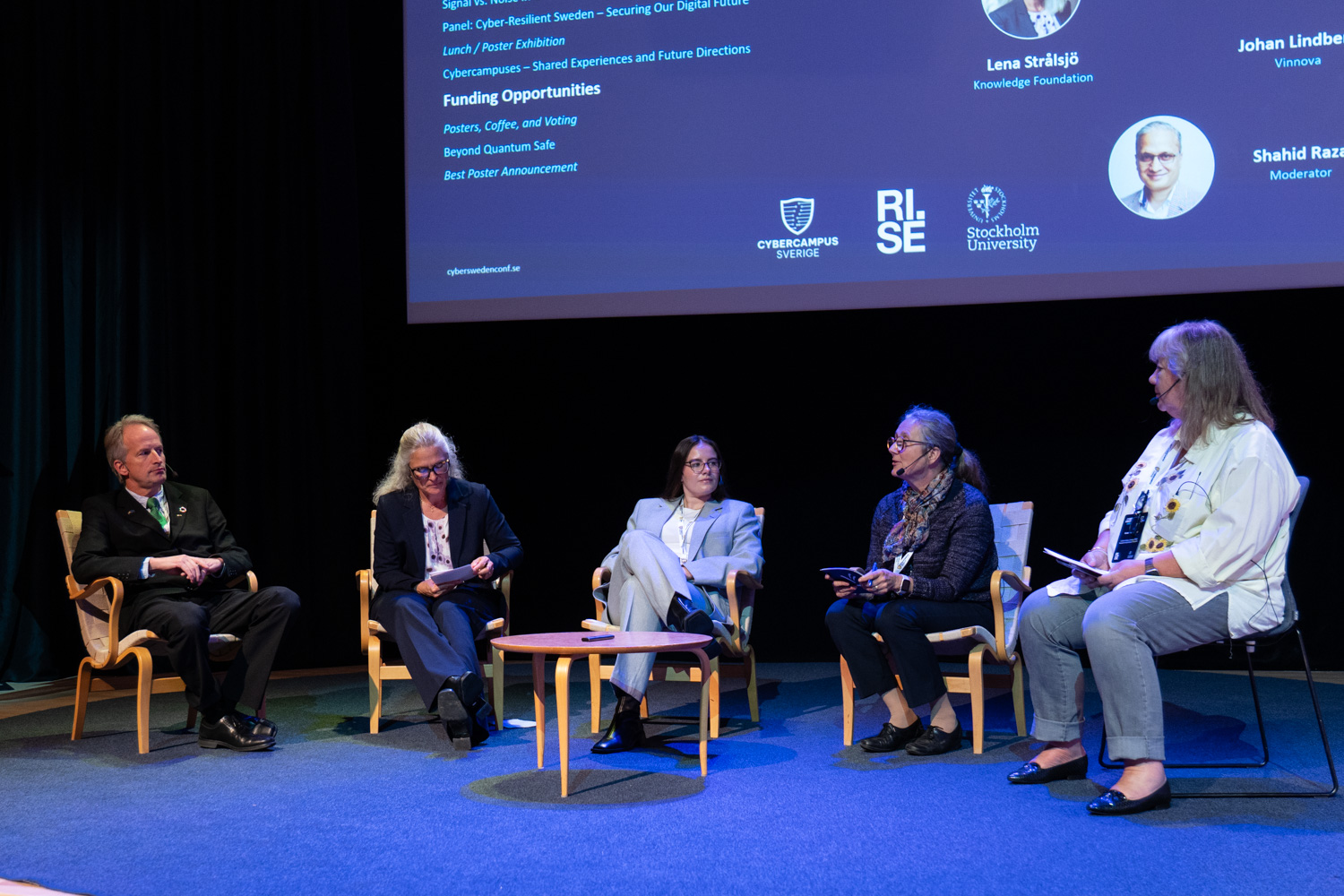
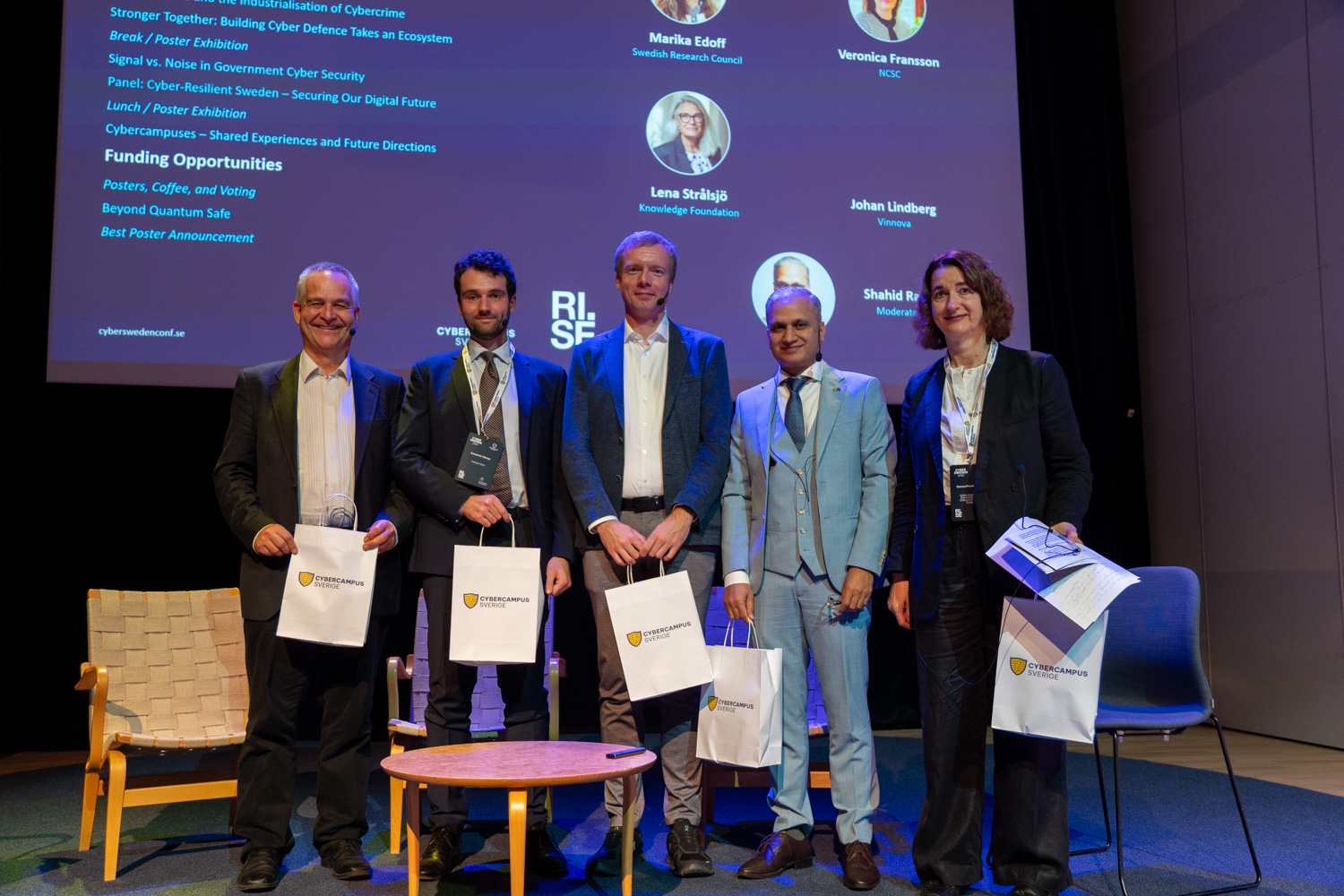
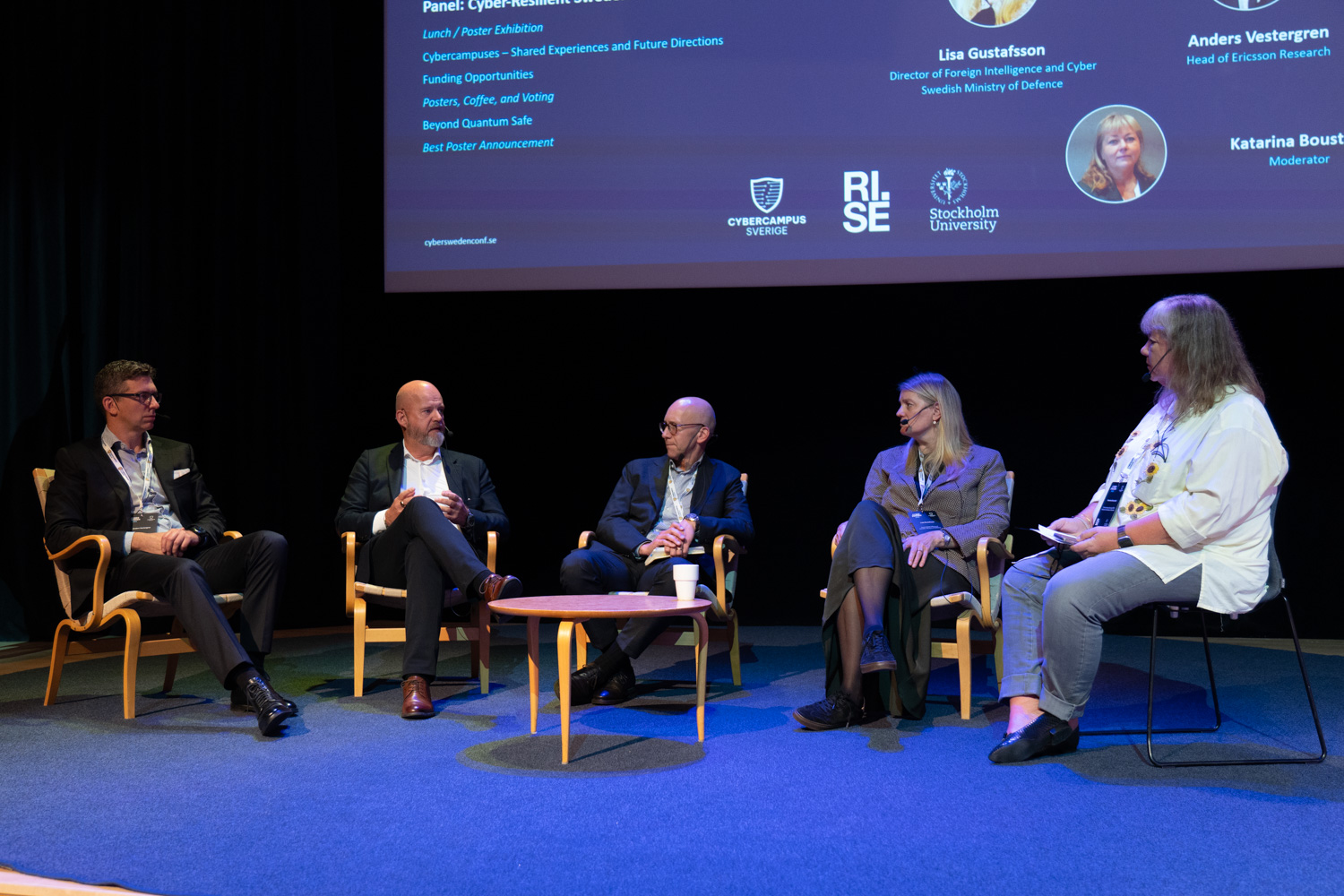
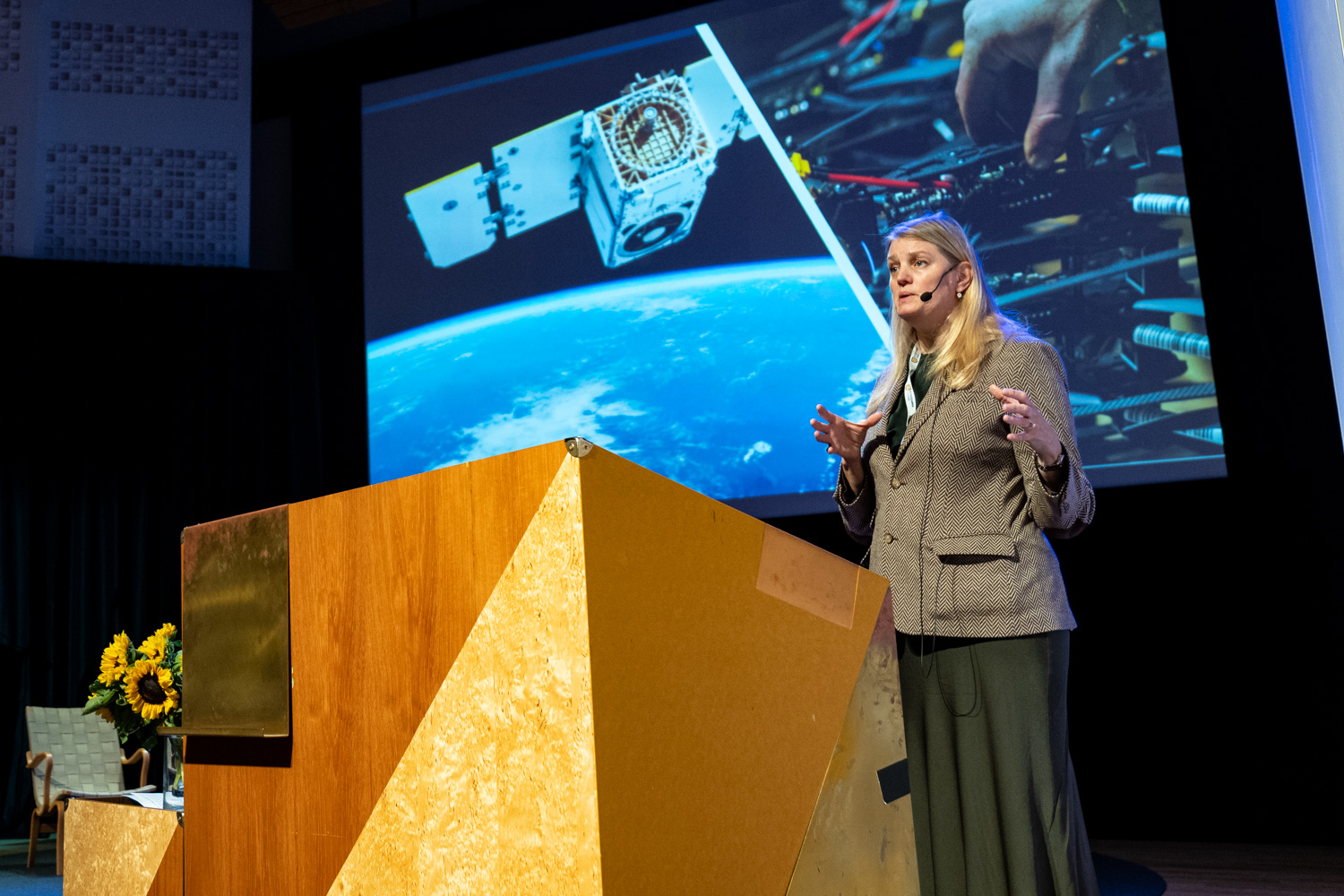
Lisa Gustafsson from the Ministry of Defence spoke on signal versus noise in government cyber security, which set up the day's panel, "Cyber-Resilient Sweden: Securing Our Digital Future," bringing together NCSC Sweden, RISE, the Ministry of Defence and Ericsson Research under Katarina Boustedt's moderation.
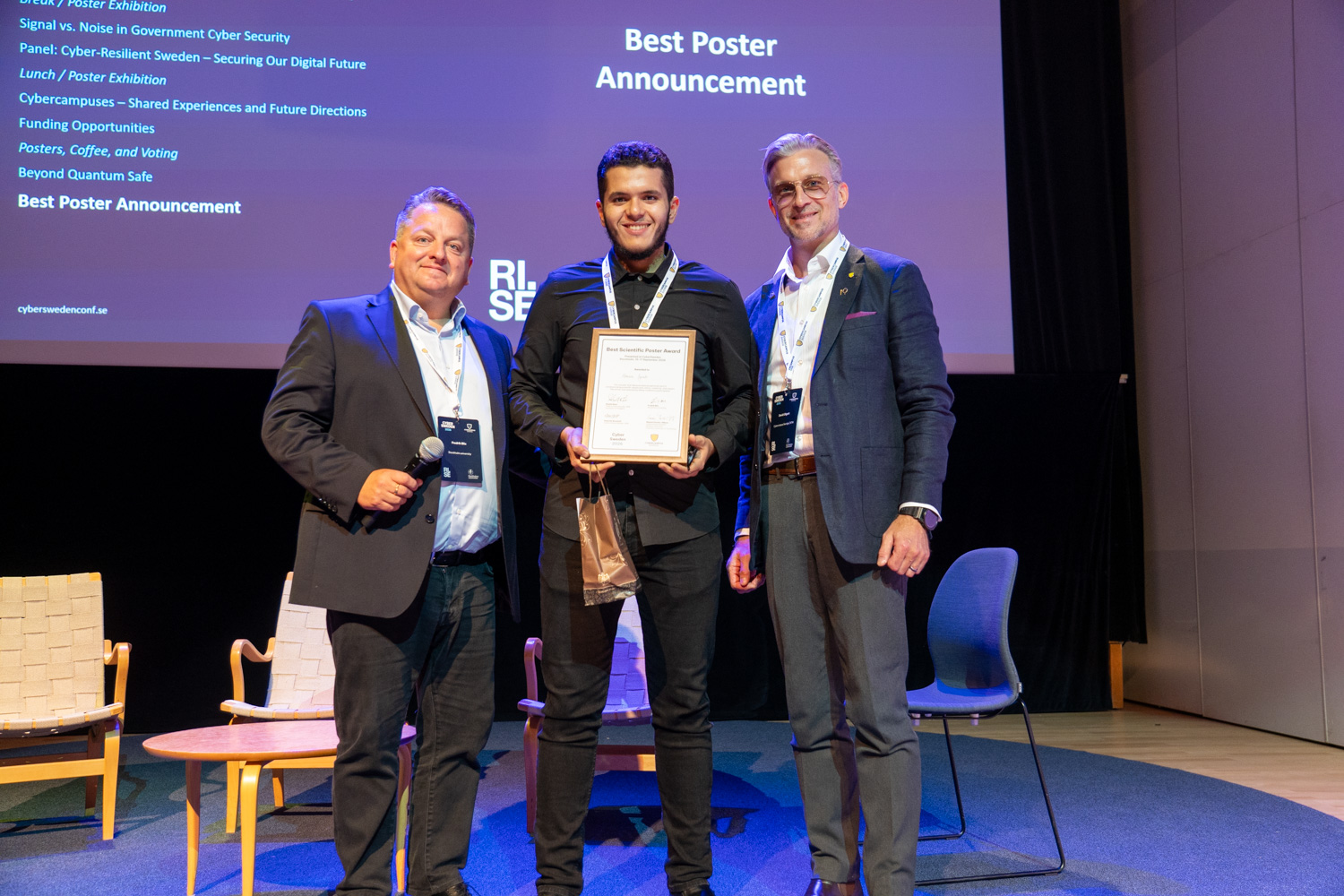
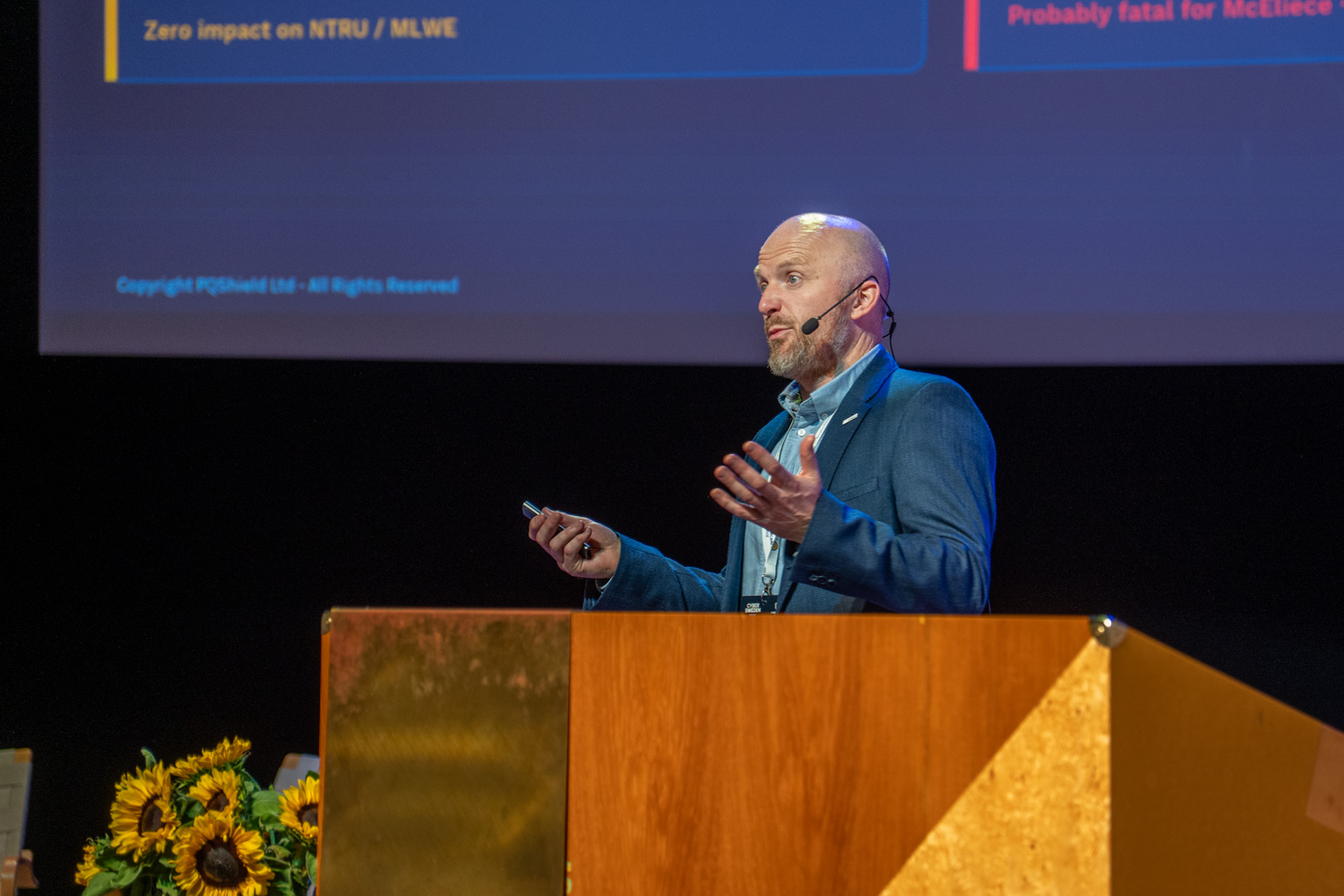
After lunch the conversation turned outward and inward at once, first to how cybercampuses around the world are collaborating, then to funding opportunities for researchers here at home. Graeme Hickey of PQShield closed the programme with a look at what comes after quantum safe cryptography, and the best poster was announced.
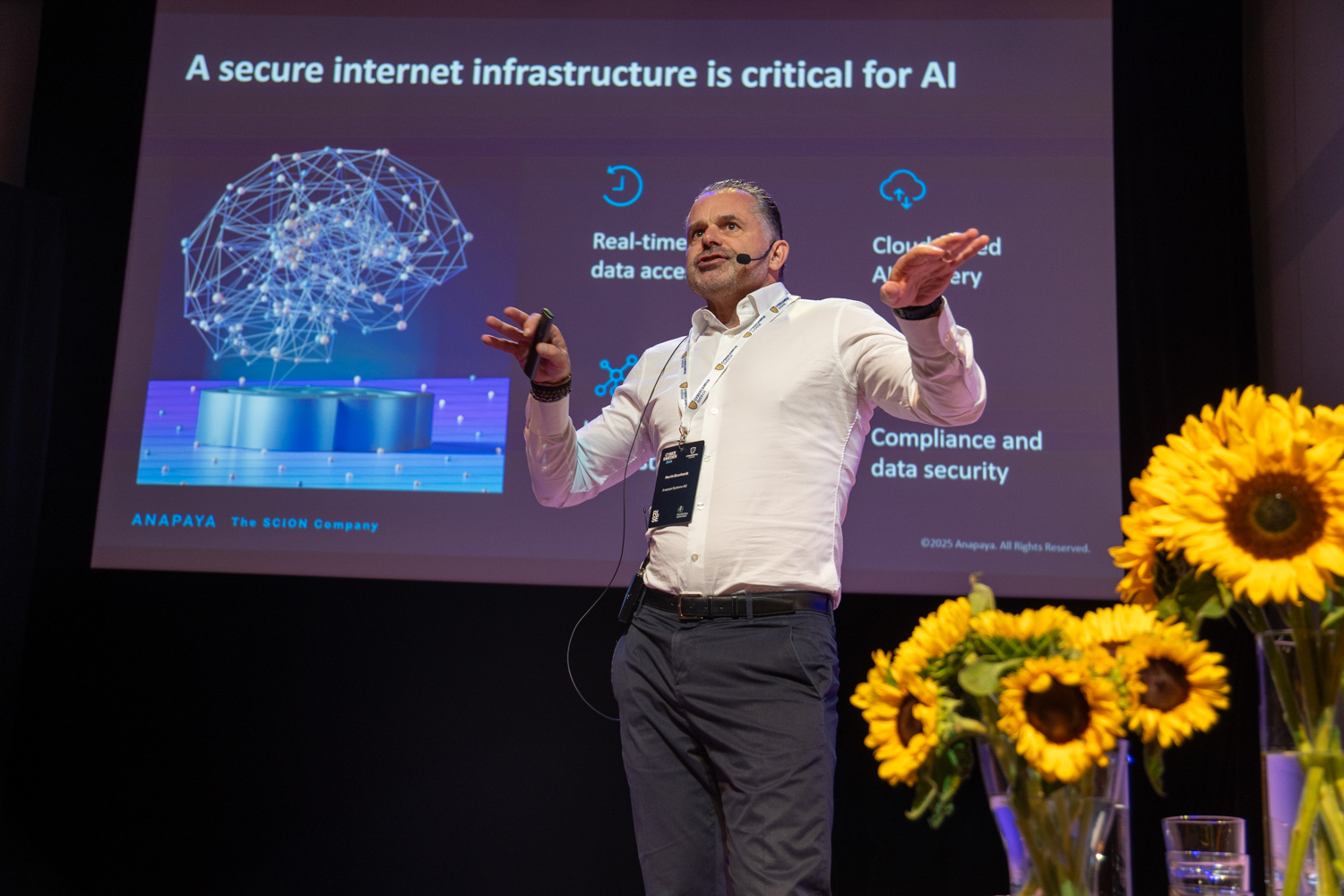
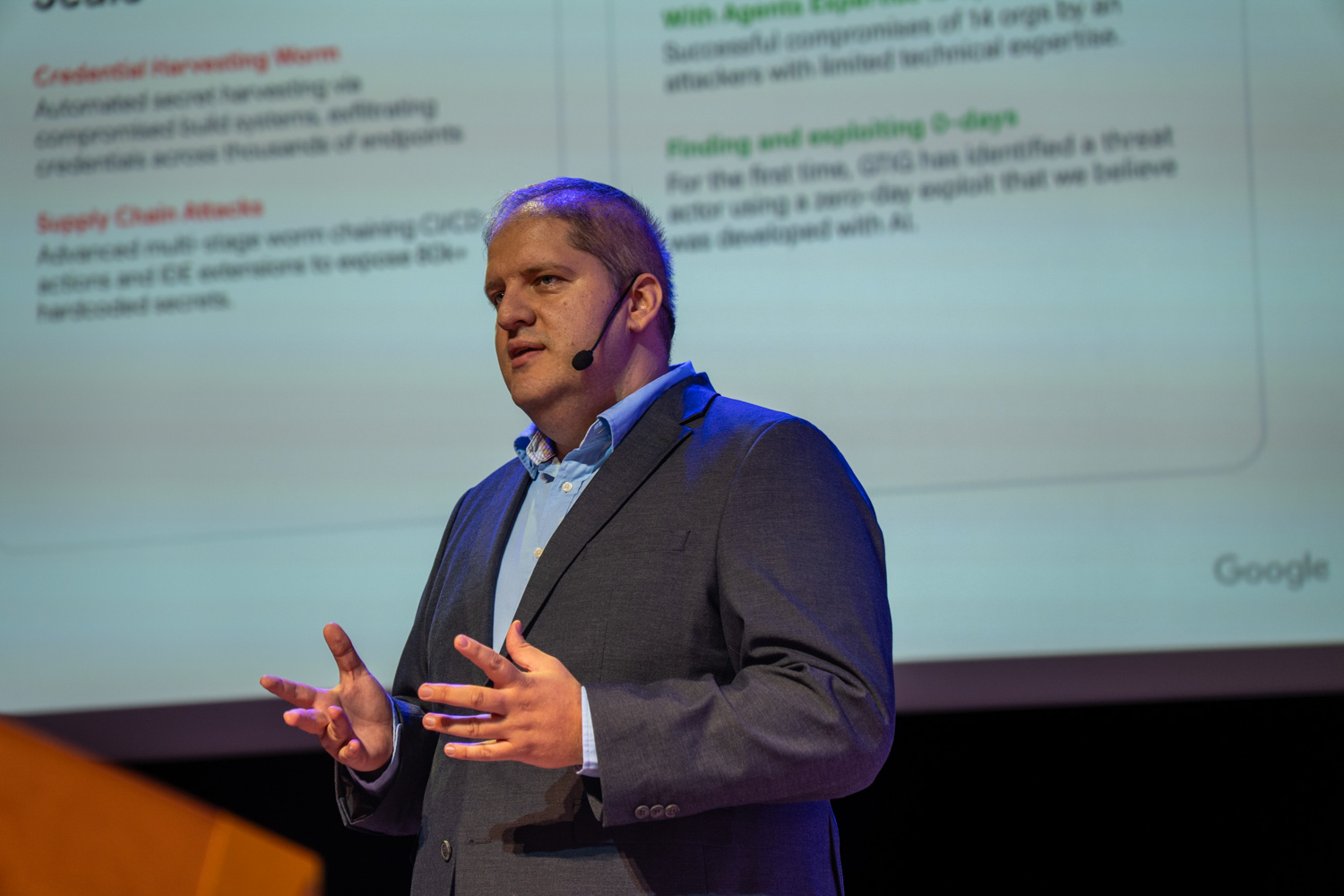
By the third day the programme turned toward where the threats are heading next. Ognjen Vuković from Google opened with red teaming in the age of autonomous AI, and Martin Bosshardt of Anapaya followed with a look at how attackers are putting AI to work on their own side.
The best poster winner, Atmane Ayoub Mansour Bahar from Chalmers, presented his work on privacy risks in MPEG-DASH adaptive streaming. Thomas Nyman from Ericsson then took the programme from programming language down to hardware with a talk on memory safety hardening.
Said Seddiki, CISO at Volvo Construction Equipment, spoke on securing connected construction machinery, and Nils Undén, CTO at Clavister, closed the technical programme with lessons from EDF and Vinnova funded projects.
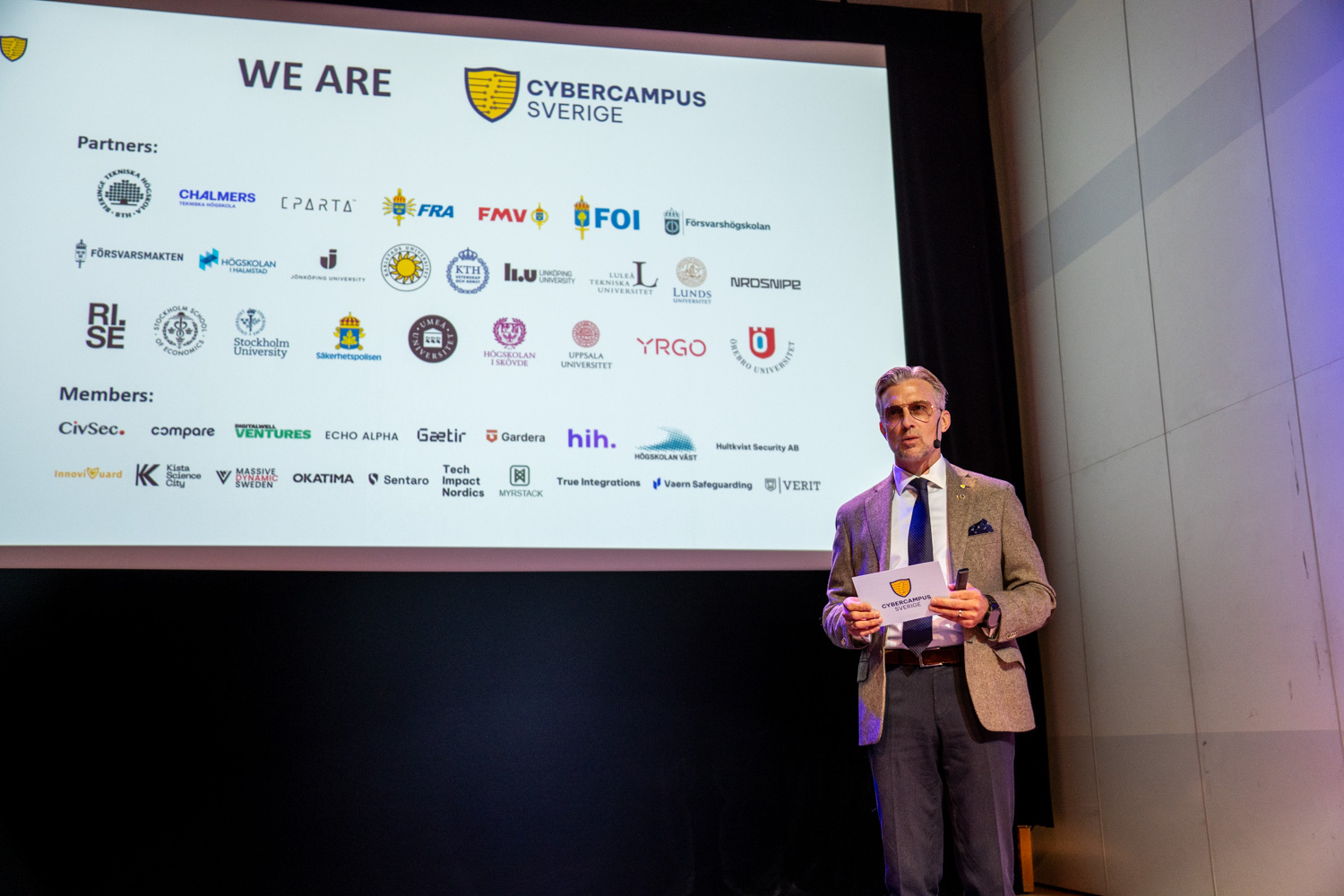
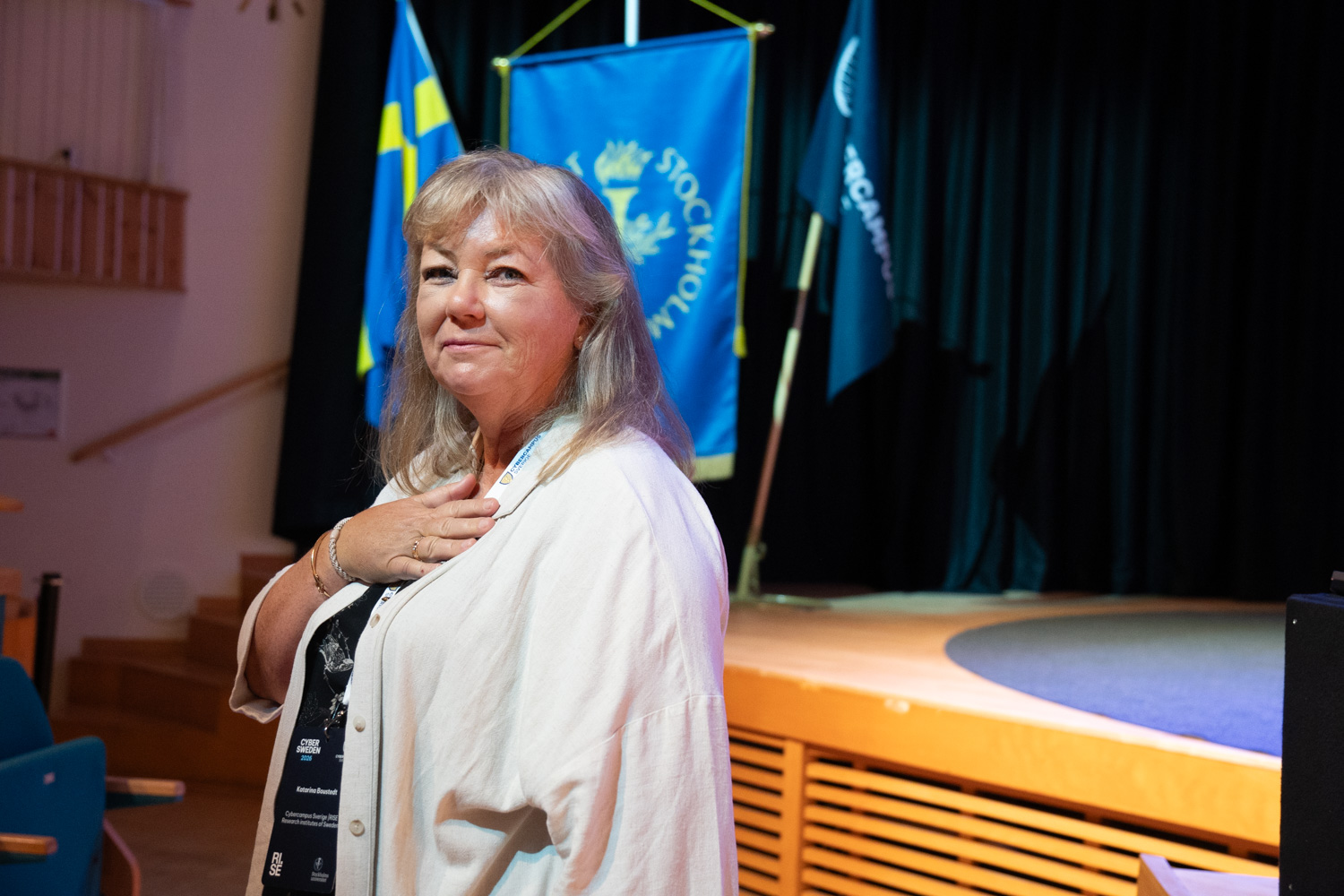
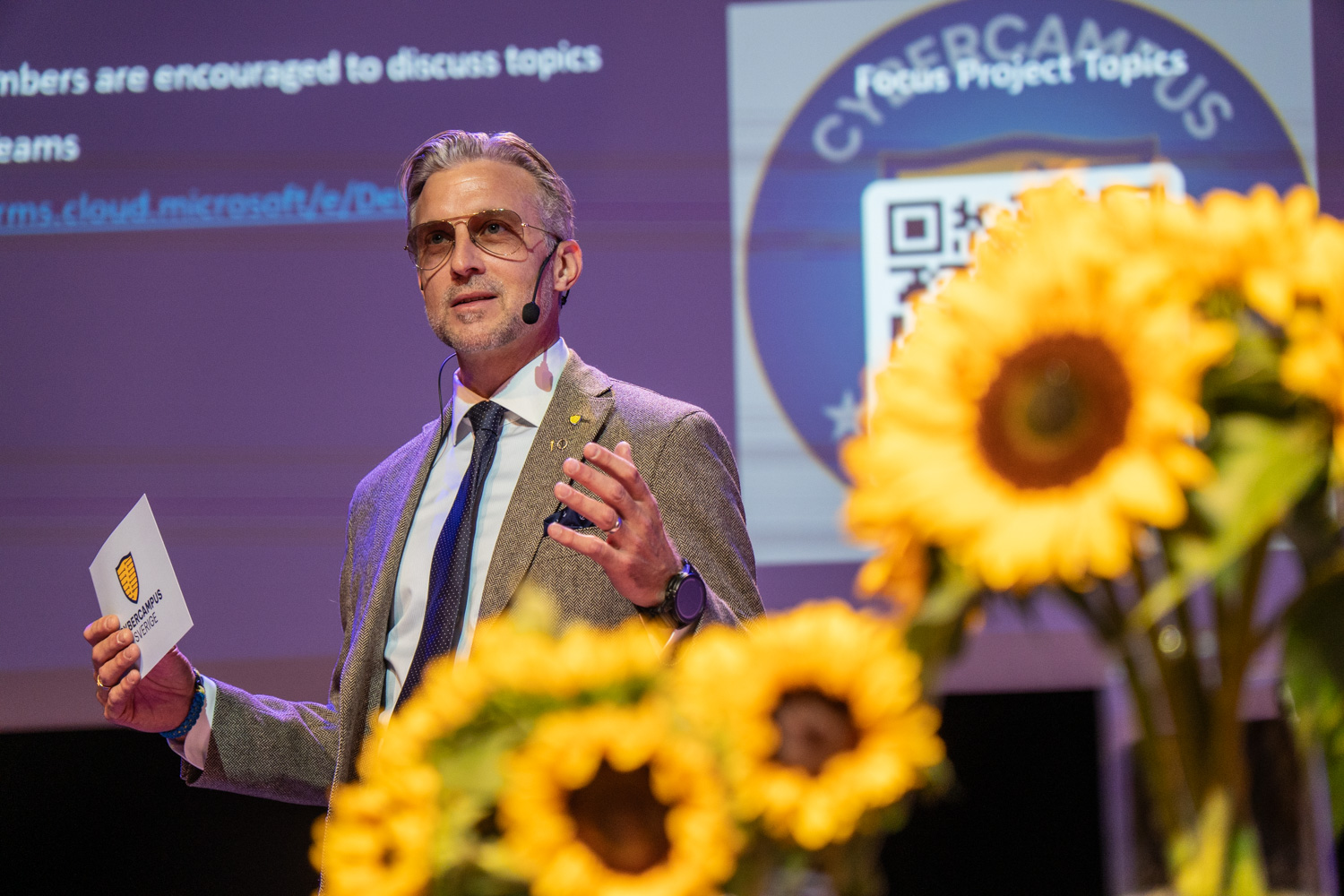
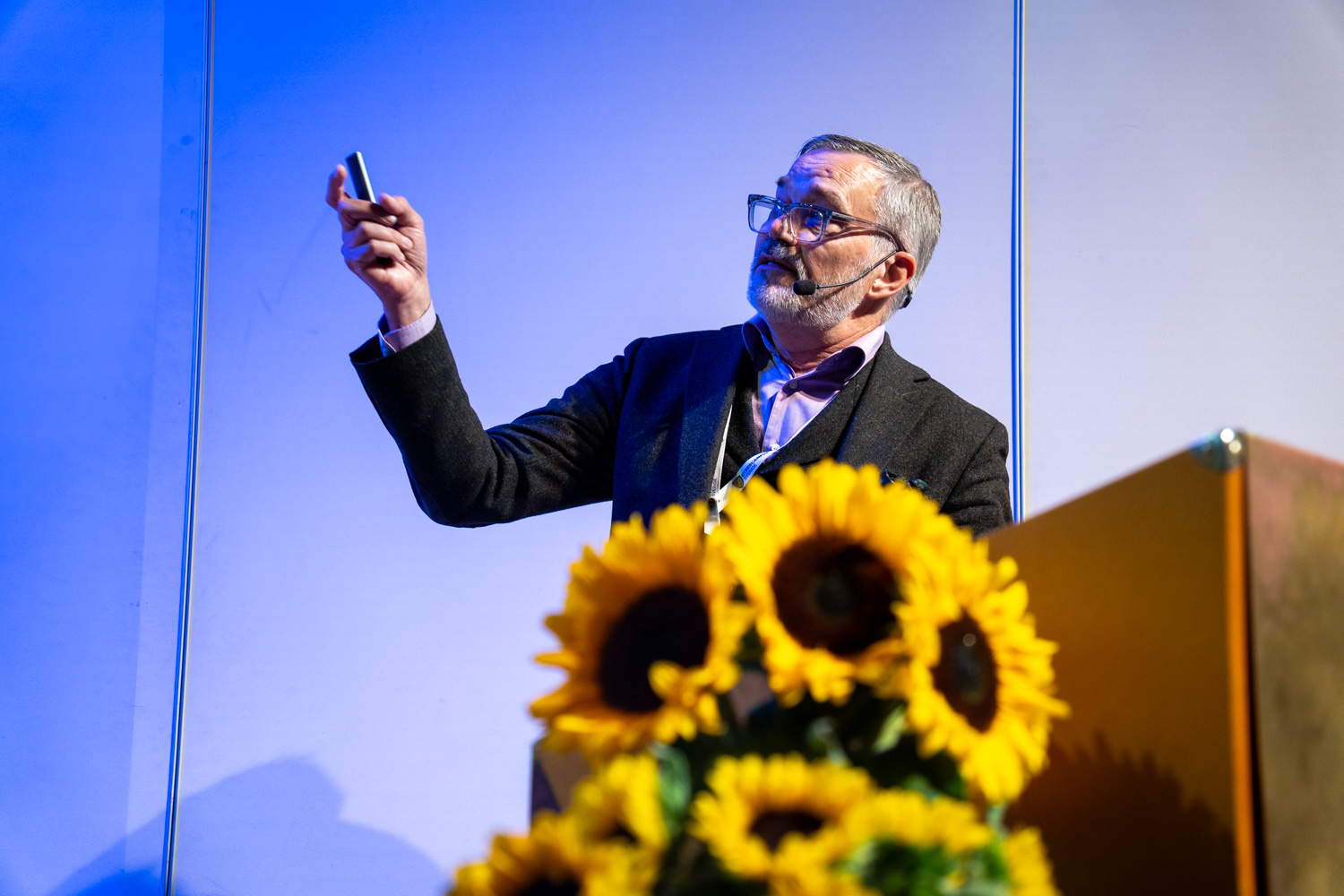
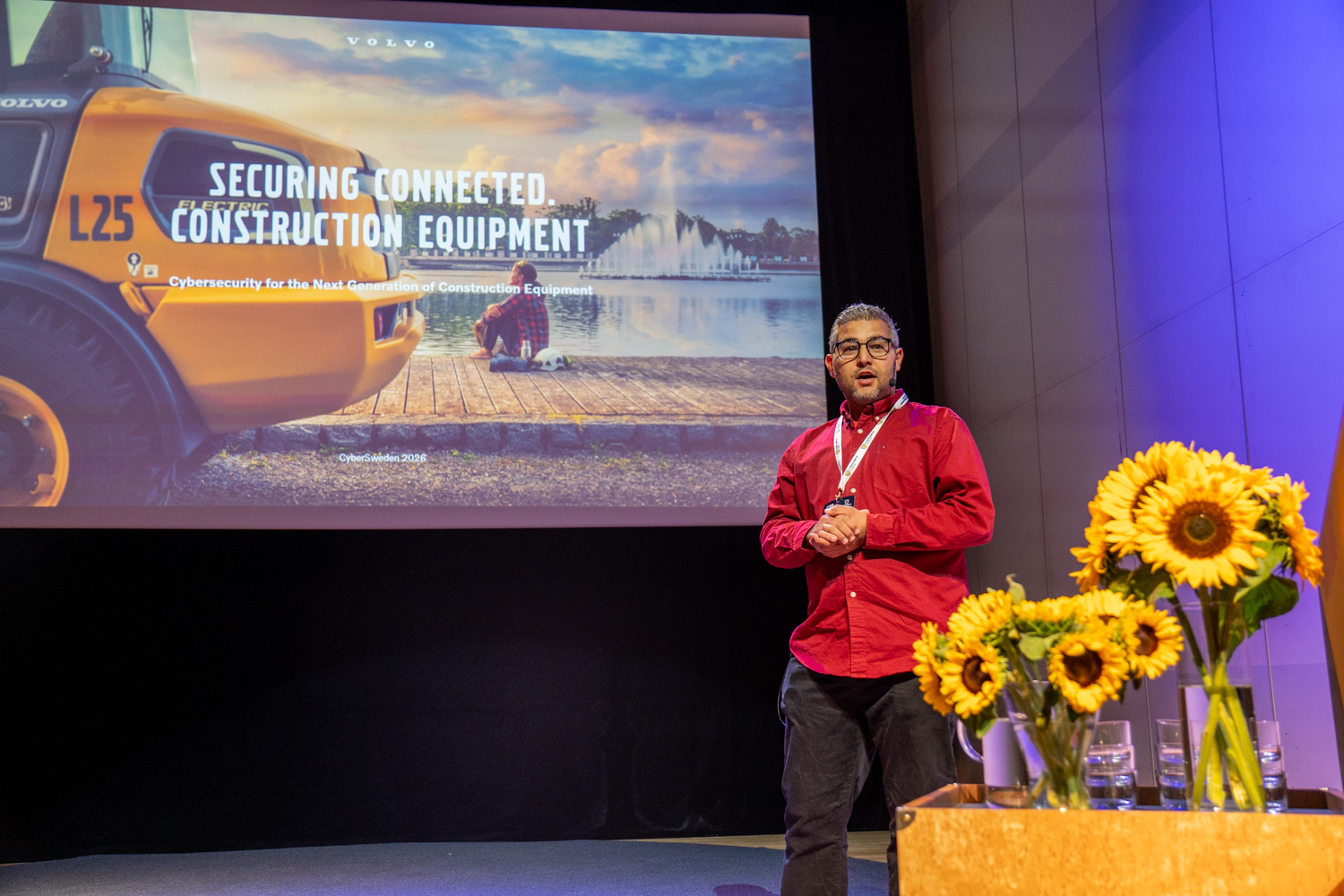
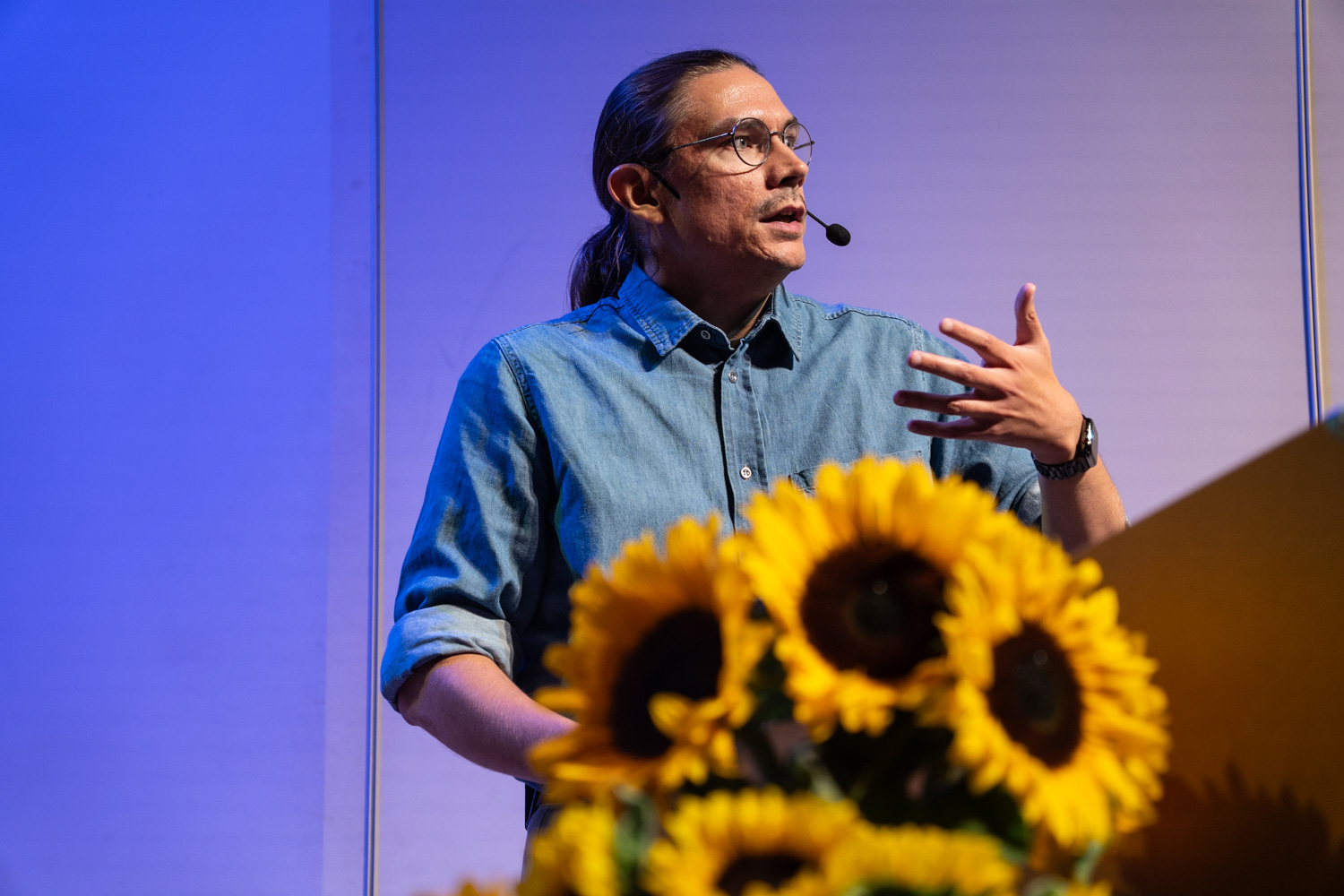
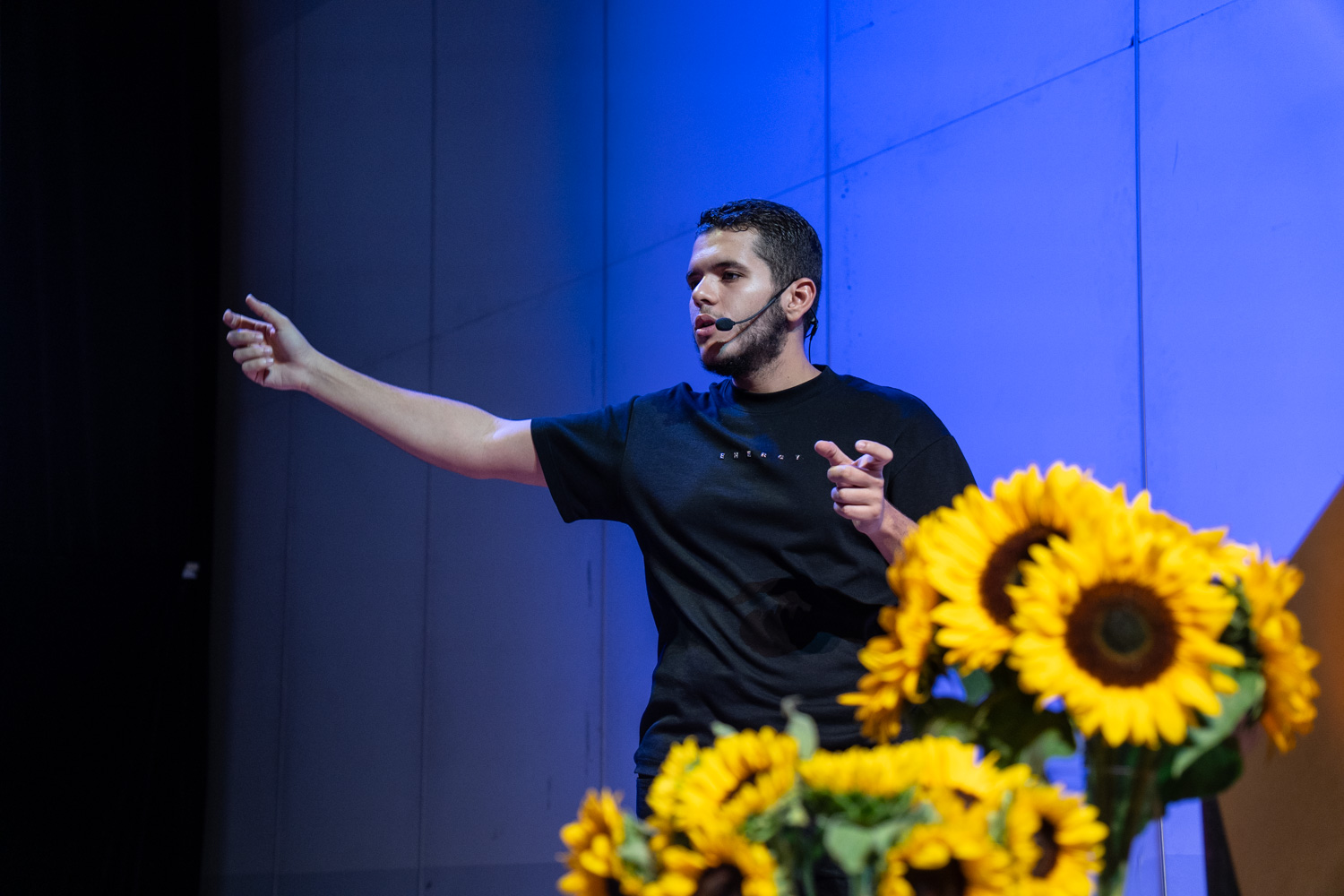
David Olgart and Fredrik Blix rounded off the day, thanking everyone who had helped make the conference happen, and it was worth pausing on just how many people that was. None of it comes together on its own. Every organiser, moderator, volunteer and member of the venue staff had a hand in the three days running as smoothly as they did, and it showed.
Thank you to everyone who spoke, presented a poster, or simply showed up and took part. That's what made CyberSweden 2026 what it was.
CyberSweden 2027 heads to Uppsala, 28 to 30 September.
Don't miss what's coming next. Follow Cybercampus Sweden on
Linkedin
and
subscribe to our newsletter
to stay up to date on upcoming events.