CYVAC (Cybervaccination)
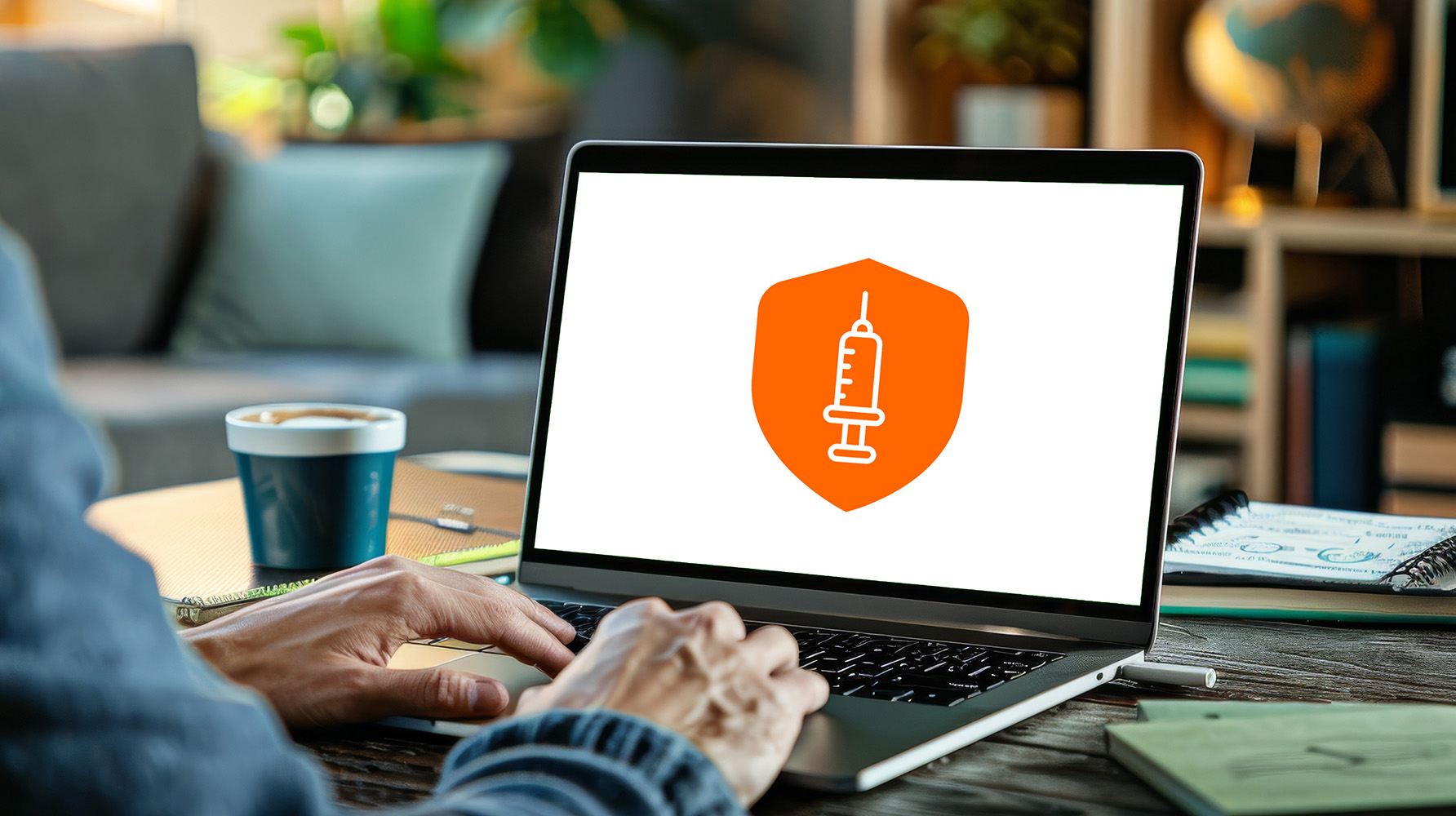
As the digitalization of society accelerates and the security situation changes, the need for cybersecurity competence is growing. By raising competence among businesses, government agencies, and private individuals alike, we can together improve Sweden's resilience and defense capability. That is why Cybercampus, in collaboration with the Swedish Armed Forces, has developed the platform CYVAC, short for Cyber Vaccination.
About CYVAC
CYVAC is a foundational cybersecurity training and exercise platform designed to raise society's baseline level of cybersecurity. CYVAC was developed in collaboration with the Swedish Armed Forces. The training includes six modules with theoretical walkthroughs, quizzes, and practical exercises. To use CYVAC, all that's needed is an internet-connected computer with a web browser. Depending on prior knowledge, a participant should set aside at most two to three hours in their calendar, although it's better to split the training into smaller parts, preferably by module. No prior knowledge is required to get cyber-vaccinated, although basic computer literacy makes it easier for participants.
Why cyber vaccination?
To increase personal awareness of threats and vulnerabilities and how to protect oneself, CYVAC offers individuals and organizations an opportunity to build their cybersecurity skills. This is important for strengthening society and contributing to the resilience of Sweden's total defense.
The modules
CYVAC includes the modules Passwords, Phishing, Multi-Factor Authentication, Social Media, Public Networks, and Personal Devices.
In the Passwords module, users learn about strong passwords, both what they are and how to create them. This module also covers how to manage passwords in a cybersecure way.
In the Phishing module, participants learn to identify and protect themselves against various types of phishing, for example by identifying malicious links. Participants also learn what to do if they've been the target of phishing or fraud.
The Multi-Factor Authentication (MFA) module explains what MFA is and why it's important. To understand the risks of being public on social media, there's a dedicated Social Media module. It also covers various types of fraud attempts that can occur after sharing information on social media, and how that information can be used against you.
In the Public Networks module, the aim is to explain why public networks can be insecure and how to protect yourself when connecting to them.
In the final module, Personal Devices, participants learn what personal devices are, how to protect them, and how to increase the security of their own home network.
Practical exercises
The CYVAC training includes several practical exercises, including micro-labs, questions, case scenarios, and repetition drills. The reason for the wide variety and volume of exercises is to give participants the opportunity to practice their skills under controlled conditions. The purpose is for them to know how to handle these situations if and when they arise in everyday life. Some examples of exercises include identifying malicious links in text messages, attempting to crack a password, and identifying phishing attempts.
For questions, contact cyvac@cybercampus.se